These 5 ideas run from a plain sleeveless shift you could wear to brunch to a full gold-fringe flapper gown that demands a fur stole and a nightclub.
A lime-green drop-waist dress that hits above the knee reads mod at first glance, but the seam sitting at hip level is the detail that pulls it back into the decade.
1. Flapper Dress
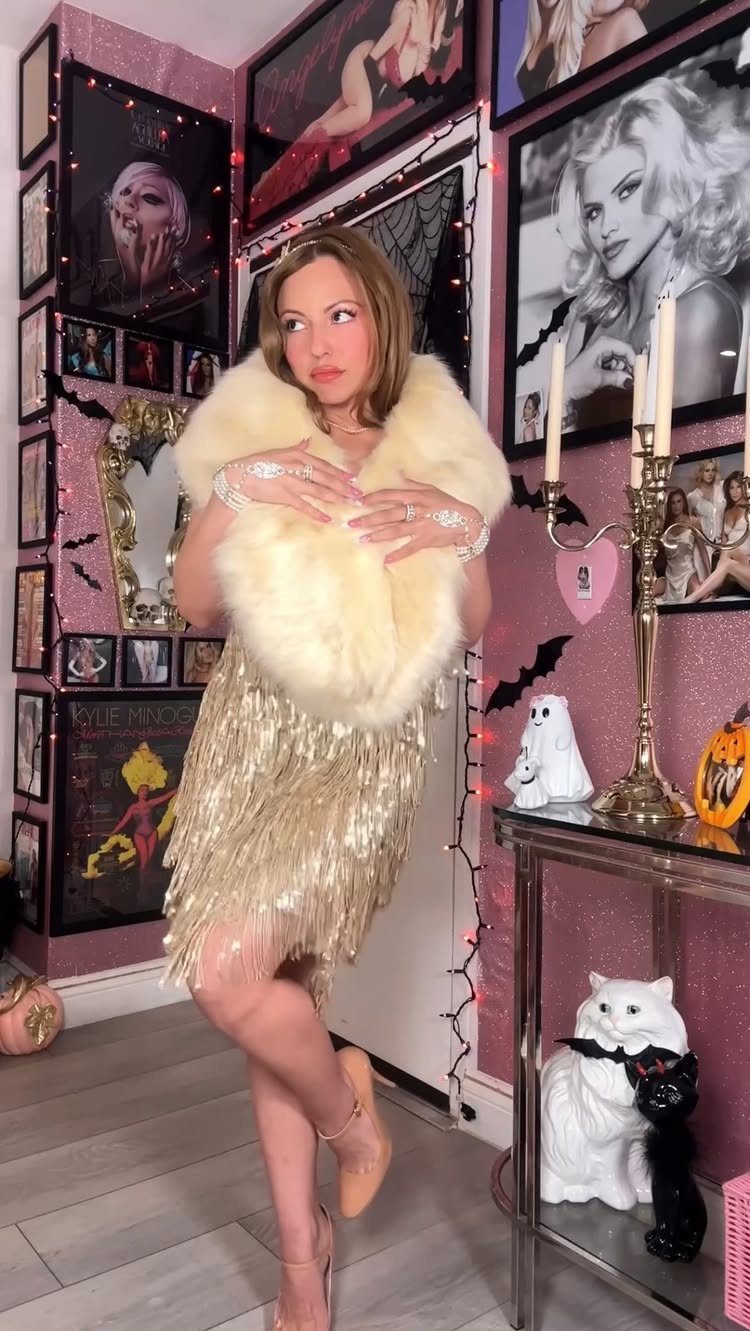
The flapper dress is the image most people summon when they think of 1920s fashion: a straight, loose column of fabric cut to move with you rather than hold you in, usually weighed down with fringe, beading, or both.
A full-glamour version, gold fringe catching light against a fur stole, works hardest at night.
Before buying, I check whether the fringe is sewn to a solid underlayer or hangs directly from sheer mesh; the first lasts longer, the second shows more leg with every step.
Beading adds weight and cost, fringe alone moves better for dancing. For a first 1920s party, I would rent this level of finish rather than buy it; the pieces photograph well but collect dust between events.
2. Drop-Waist Dresses
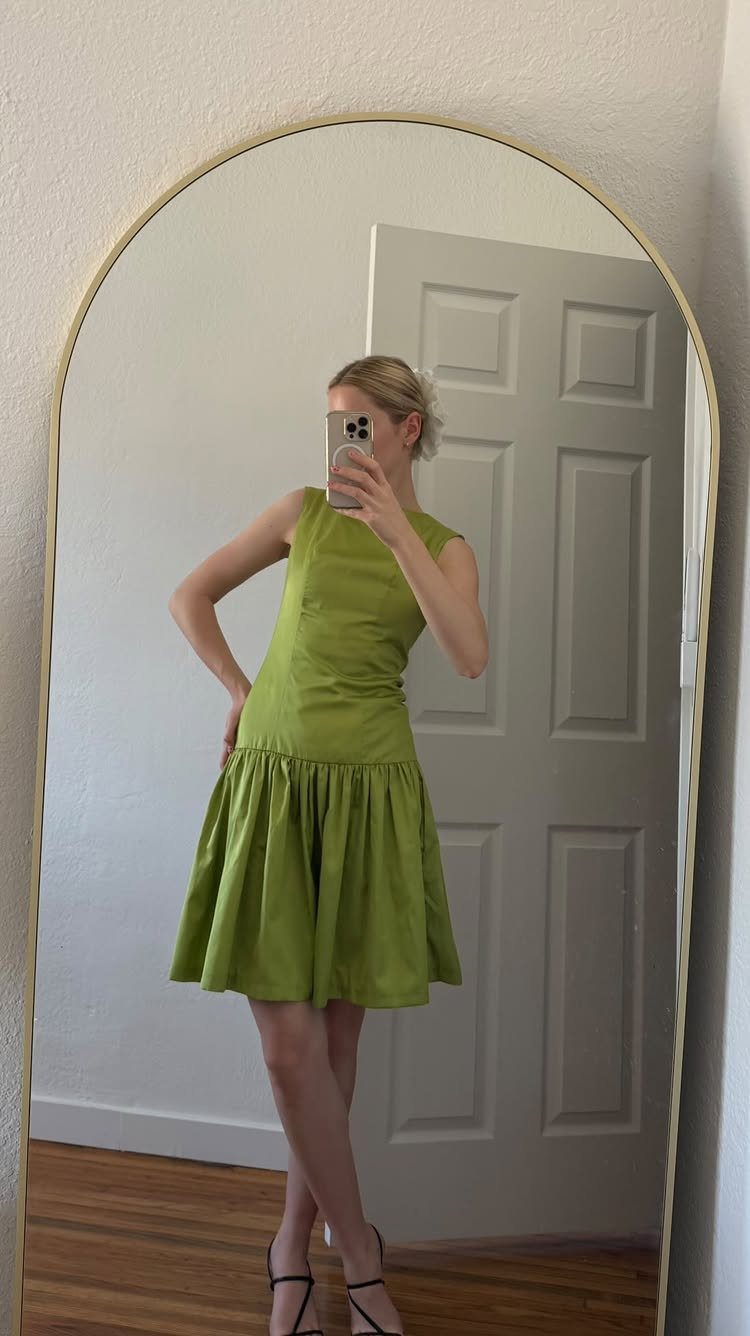
A drop-waist dress carries its seam at the hip rather than the natural waist, which erases the silhouette most modern dresses are built to emphasize.
The lime-green version is sleeveless and hits above the knee, so it reads more mod than 1920s at first glance; the low waistline is what pulls it back.
This cut forgives a lot.
No darts mean no fitting at the bust or midsection, and the straight fall from hip to hem skims rather than clings. The shape is achievable with basic pattern work if you sew.
For buyers, I look for a hem that falls straight when standing; some cheap versions bag at the hips where the weight drops. Pair it with a low heel or T-strap shoe to keep the line long.
3. Sleeveless Shift Dress with Cloche Hat
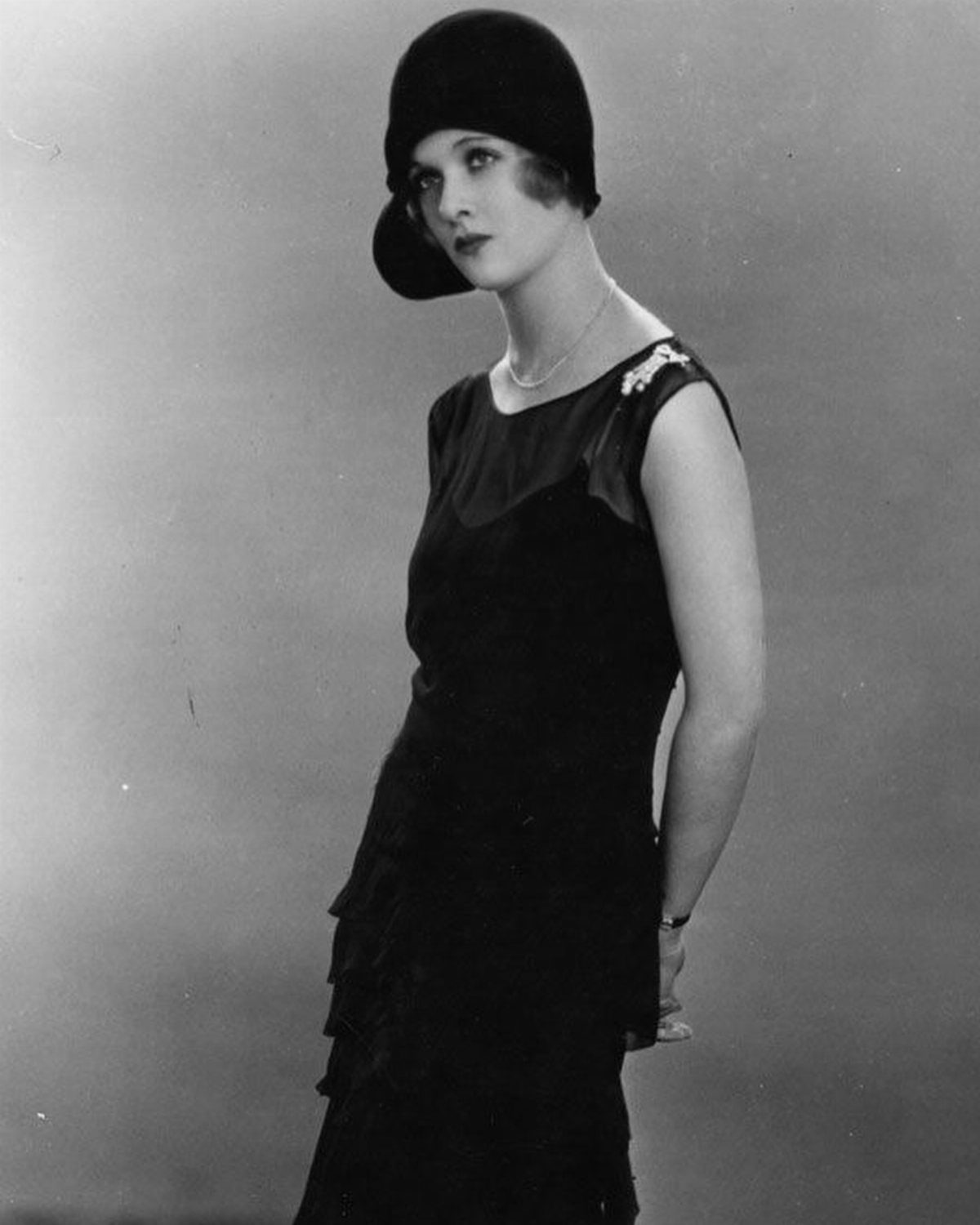
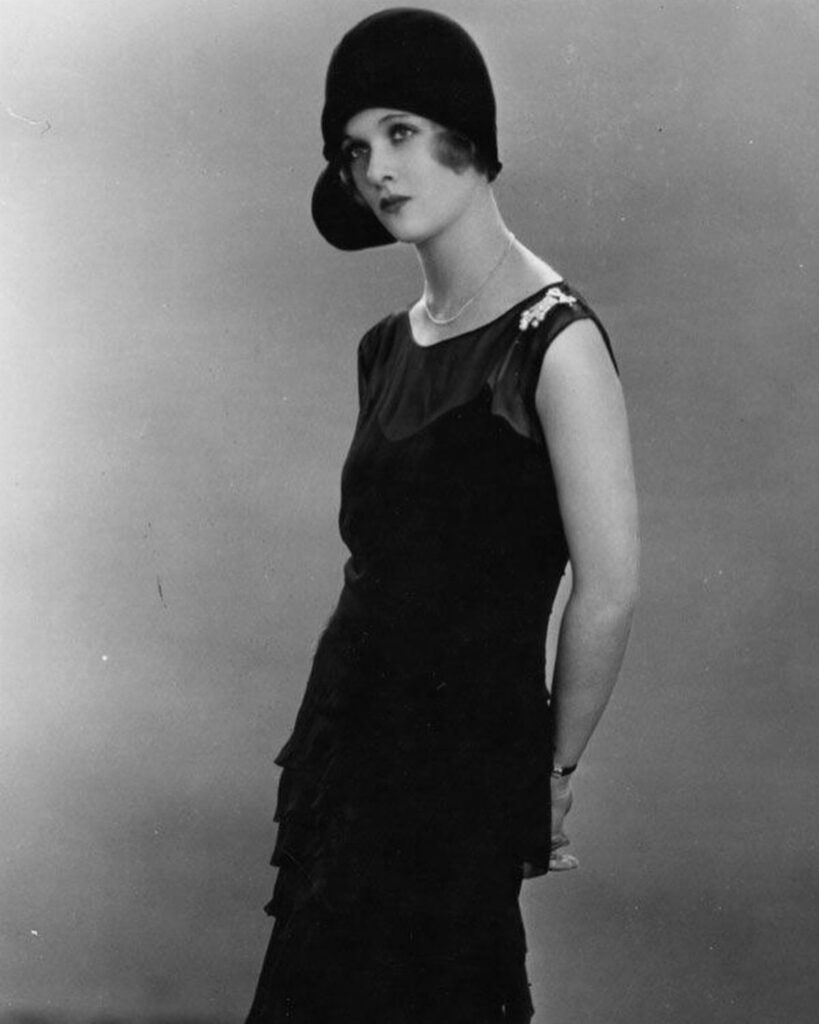
A sleeveless shift with a cloche hat is what I would wear to a daytime event where I did not want to arrive in costume.
The black dress in the portrait is almost austere: no beading, no fringe, just clean lines and a close-fitting hat that frames the face like a helmet.
A cloche sits low, nearly to the eyebrows, so it suits faces that carry some length; rounder faces can look compressed. A small, single-strand pearl necklace, not the ropes of legend, keeps the look from tipping into theater.
For modern wear, I would source the hat first; authentic wool felt cloches are easier to find than good reproduction dresses, and the hat does more of the period work than you might expect.
Check that the dress armholes are cut high enough to cover a modern bra; 1920s originals were not.
4. Fringe Mini Dress with Feathers
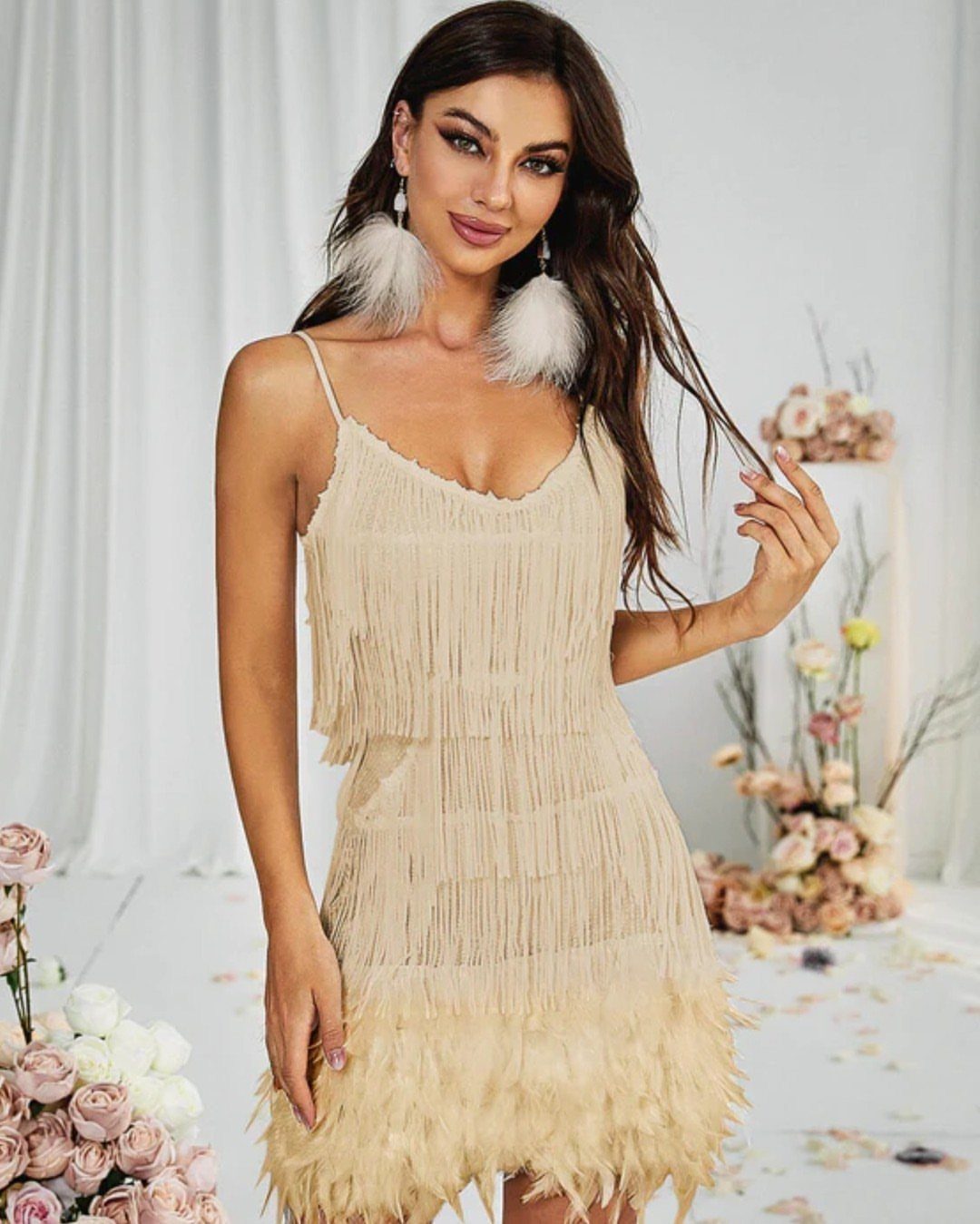
This dress piles on every movement effect at once: tiered fringe from neckline to hem, then a plush band of feathers at the bottom edge.
Beige keeps it from reading as pure costume, though fluffy white earrings push back toward party territory.
Feather trim sheds, and it sheds more if it rubs against itself or a coat; I would plan to wear this only indoors and only for the event itself.
The spaghetti straps mean the dress needs a good fit through the bodice or it will slide; I always check whether the fringe is attached to an outer layer or the main shell, since a separate overlay can twist and bunch.
For care, feather hems usually demand dry cleaning, and not every cleaner will take them. Budget that in, or choose fringe alone and skip the plumes.
5. Halter Fringe Dress
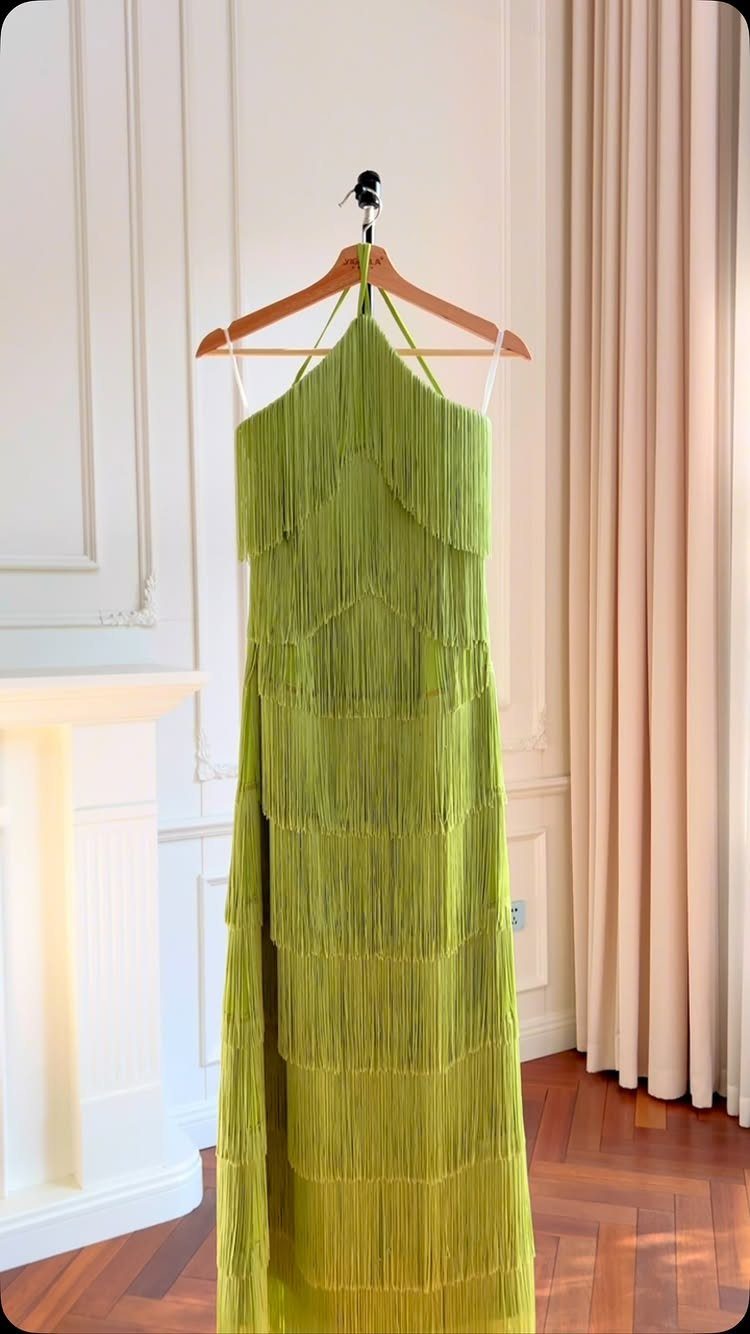
A halter fringe dress leaves shoulders bare and ties at the neck, which changes how the fringe moves; with no fabric at the upper back, the strands swing more freely and draw the eye up.
The lime green version is a maxi length, which reads more disco than Jazz Age until you notice the tiered construction.
Halter necks put weight on the neck and upper spine, so I would not choose this for a long event unless the dress has substantial structure through the bodice to carry some of the load.
The long fringe here is denser and heavier than the mini-length versions, which means more sway but also more tangle; I have seen these catch on chair backs, bracelets, other people’s fringe.
For a seated dinner, I would pick a shorter hem or a dress with fringe only from the knee down.
Popular Fabrics and Colors
Silk, chiffon, and lace carried most 1920s evening dresses.
Silk drapes with weight and catches light; chiffon layers without bulk, which made it the choice for sleeves and overlays that needed to float. Lace reads delicate but needs a solid underlayer or it turns costume-fast.
Black and ivory served as the base for most beaded work, the neutrality letting the ornament do the talking.
Metallics came in through beadwork and thread rather than solid cloth: gold, silver, and bronze laid over dark grounds. Jewel tones, emerald, sapphire, and ruby, appeared in more formal pieces where the fabric itself carried the color depth.
Art Deco patterns brought in geometry through embroidery and print. Symmetrical lines and sharp contrasts read modern then and still do; a dress with that patterning needs little else.
Styling Tips for 1920s Dresses
A 1920s dress moves toward modern when you strip back rather than add. Subtle beading or minimal fringe wears to dinner without theme-party signaling; full embellishment does not.
Modern accessories reset the clock.
Sleek heels, a clean-lined bag, and modern jewelry keep the look from sliding into costume territory. A tailored blazer or cropped jacket does the same work, adding shoulder structure the original dresses lacked.
Hair and makeup finish it. Soft waves and a natural glow read current; finger waves and dark lips read production still.
Day dresses from the period were more formal than modern daytime standards, so a plain shift needs help.
Belts, scarves, pinned flowers, or a wrap push it toward the era without a full change of clothes. Thrift stores and regular shops carry pieces that work; the online selection runs heavier to party and formal styles.
Occasions for 1920s Dresses
A beaded or metallic dress with minimal jewelry and simple heels suits formal events. The dress carries the weight; accessories stay quiet.
Cocktail parties allow more expression.
Fringe and flapper cuts belong here, with a bold lip or bigger earrings to match the energy. This is where the era’s playful side lands without effort.
Weddings call for softer handling. Lace details and muted tones keep the look romantic; accessories stay understated so the overall effect stays polished rather than performative.
Themed events are the only place I would add full period accessories: headband, gloves, clutch. Elsewhere they tip into costume; here they complete the brief.
Daytime 1920s looks are harder to source than evening. A plain dress with added decoration, a belt or scarf, fills the gap when the event is not after dark.
Frequently Asked Questions
What dresses were popular in the 20s?
Flapper dresses with fringe and beading, drop-waist dresses with the seam at the hip, and sleeveless shift dresses all defined the era.
The flapper dress still owns the mental image: a straight, loose column cut to move with the body instead of pinning it in place.
Evening dresses leaned heavily on silk, chiffon, and lace, with black and ivory ground colors for beaded decoration.
How to dress for a 20s theme party?
Choose a flapper dress with fringe or a drop-waist cut, then add period accessories that would read as costume anywhere else: a feathered headband, long pearl necklace, and T-strap shoes.
For a garden party or daytime event, I would wear a plain shift with a cloche hat and small pearl strand instead; it nods to the era without arriving in full costume.
Strip back rather than pile on for modern events; full embellishment belongs only at themed gatherings.
Where can I buy 20s style dresses?
Online retailers carry the widest selection, though most run toward party and formal styles rather than daytime looks.
Thrift stores and regular shops yield pieces that work with added decoration; a plain sheath becomes 1920s with a belted sash, scarf, or pinned flower.