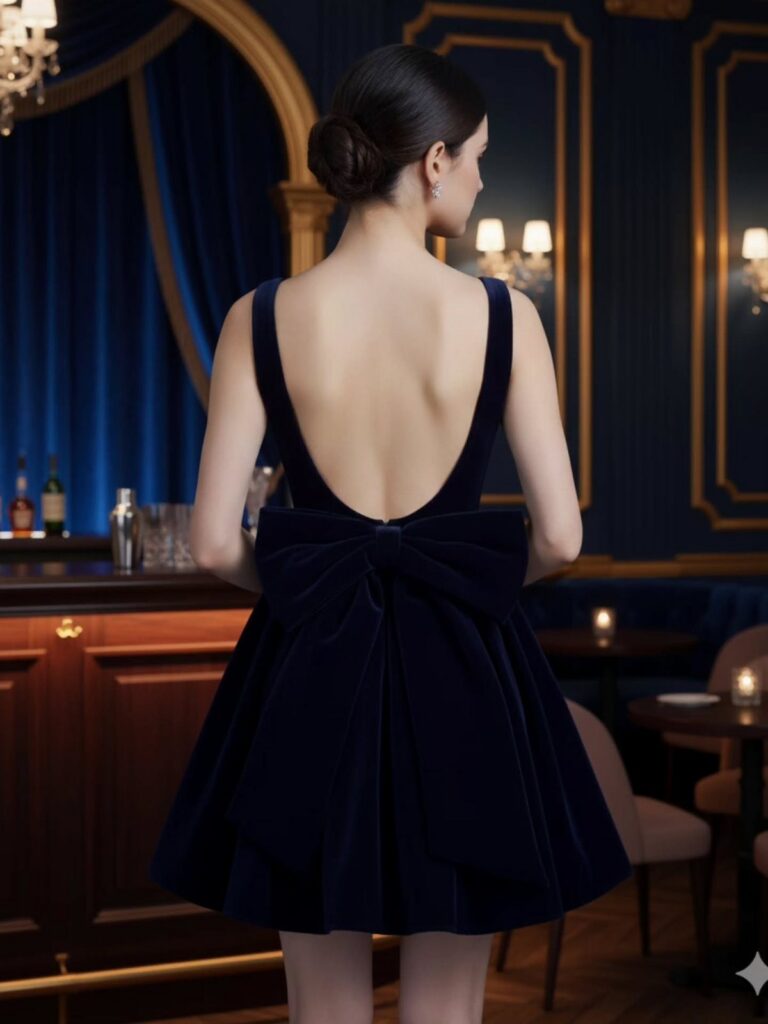
These 8 cocktail party outfits range from a thrifted blazer thrown over a summer mini to a full sequined two-piece set, and the one you should wear depends on whether your invitation leans formal, festive, or somewhere in between.
The post breaks down exactly how to judge each look, from picking between a little black dress and a jewel tone midi to choosing a jumpsuit or blazer outfit that fits the dress code.
1. Jewel Tones Cocktail Party Outfit
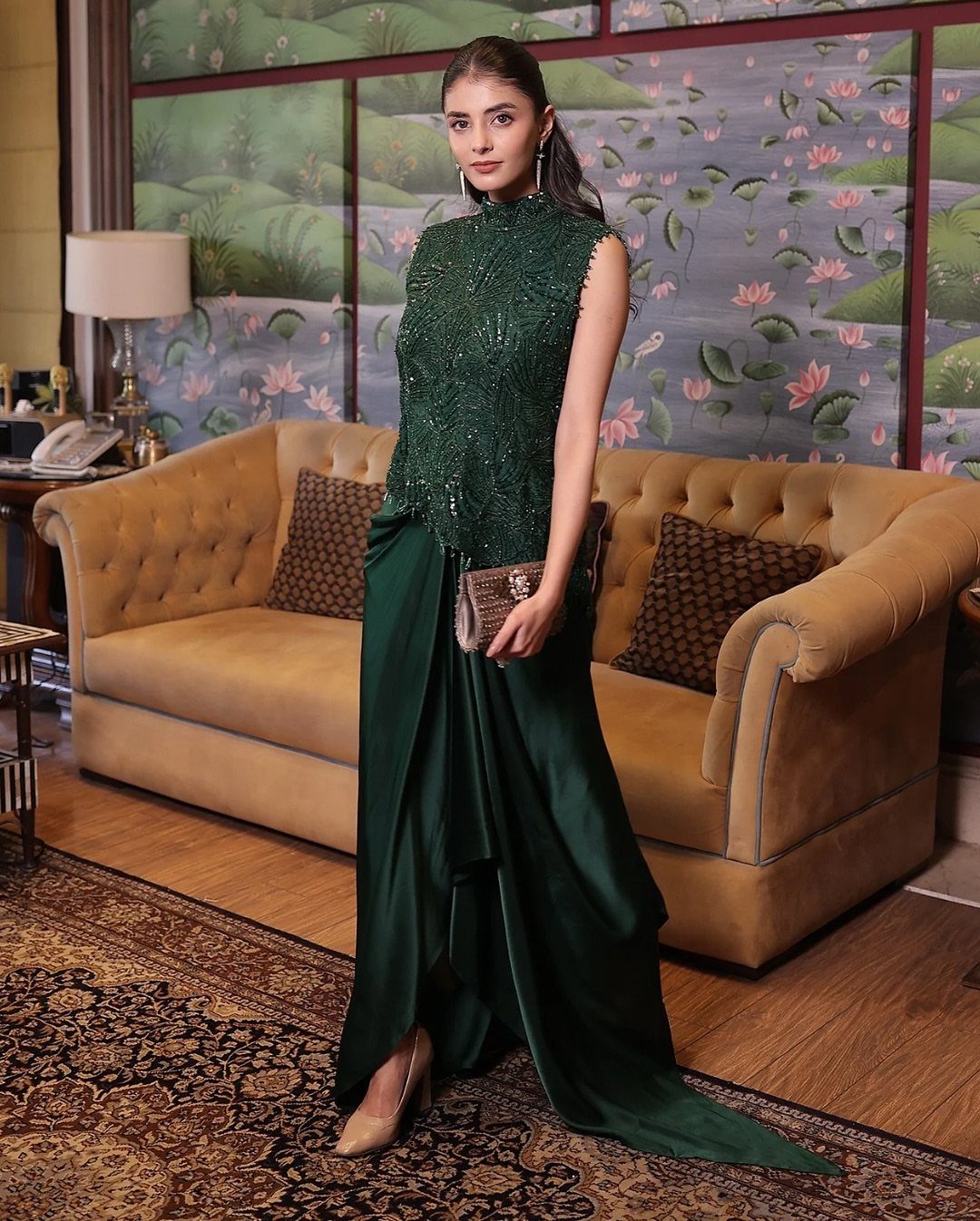
Emerald green is the richest of the jewel tones, and pairing a sequined top with a satin maxi skirt gives you texture contrast that photographs beautifully. The sleeveless cut keeps it from feeling heavy despite the floor-length skirt.
Check that the sequins lie flat against the fabric so they catch light rather than looking puckered. A simple clutch in a neutral metallic finishes it without competing.
2. Cocktail Dress
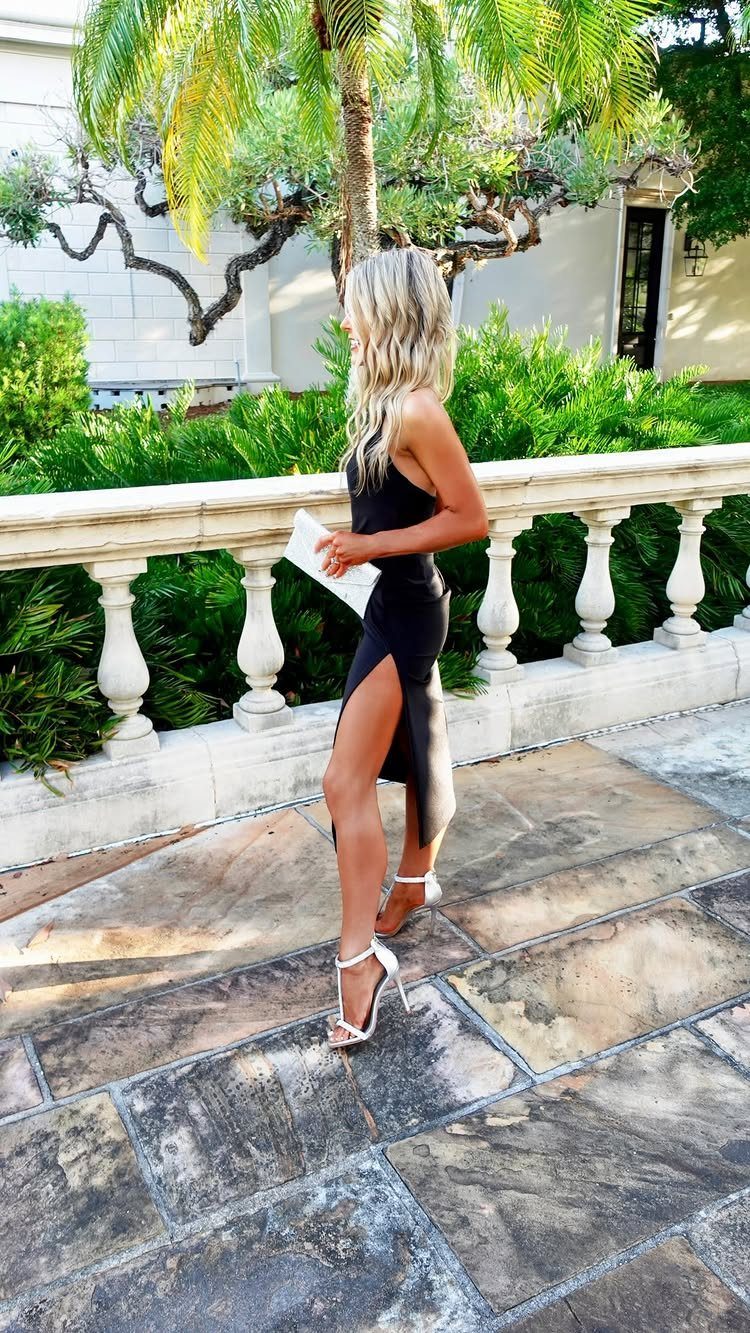
A fitted black midi with a high slit is my pick for cocktail attire: formal enough for the dress code, easy enough to move in. The thigh slit does the work of jewelry, so you can keep accessories minimal.
Silver heels and a matching clutch keep the look sharp without adding color. If you prefer a lower heel, a pointed-toe flat in the same metallic reads just as deliberate.
The best cocktail dresses tread the fine line between occasionwear without going OTT.
3. Little Black Dress
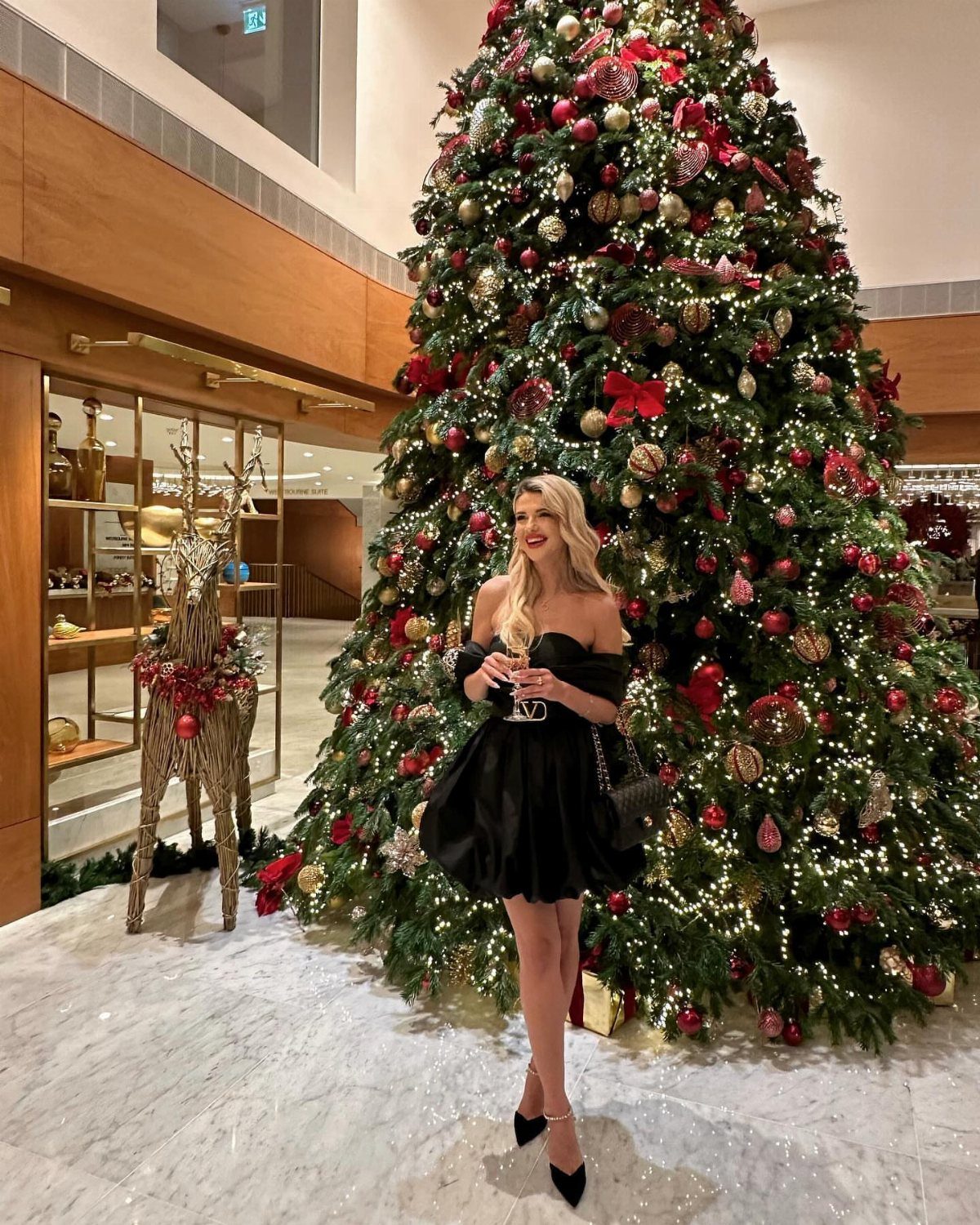
The strapless mini is the little black dress at its most direct. Short length, bare shoulders, no sleeves: it works for hotel parties and holiday gatherings where you want to look dressed up without overthinking it.
Fit matters more here than in any other style. The bodice should stay put when you raise your arms, and the hem should hit where you feel confident sitting down.
4. Sequin Two-Piece Set
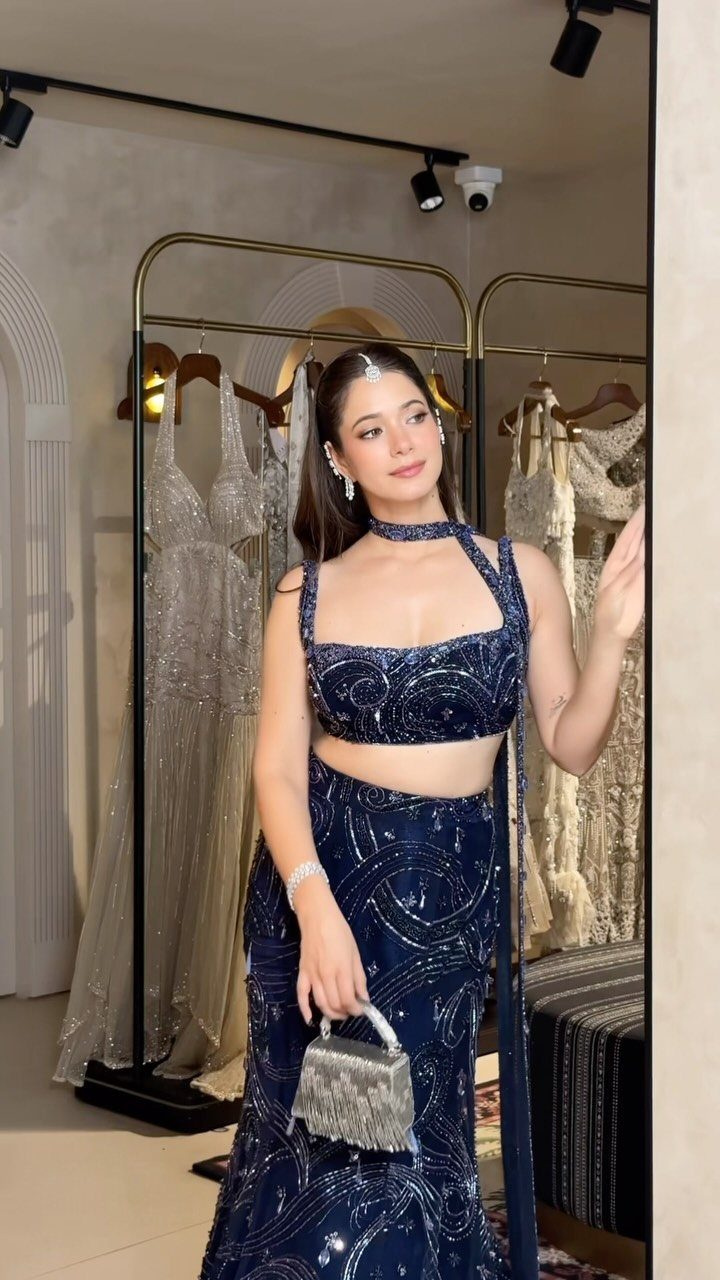
A matching sequined crop top and skirt gives you the impact of a dress with the flexibility of separates. Navy reads softer than black under party lights, and the silver fringe bag adds movement.
The crop top should meet the skirt waistband without gaping when you reach or sit. If you are between sizes, size up: sequined fabric has no give, and a tight fit pulls the embellishment out of shape.
5. Fringe Cocktail Dress
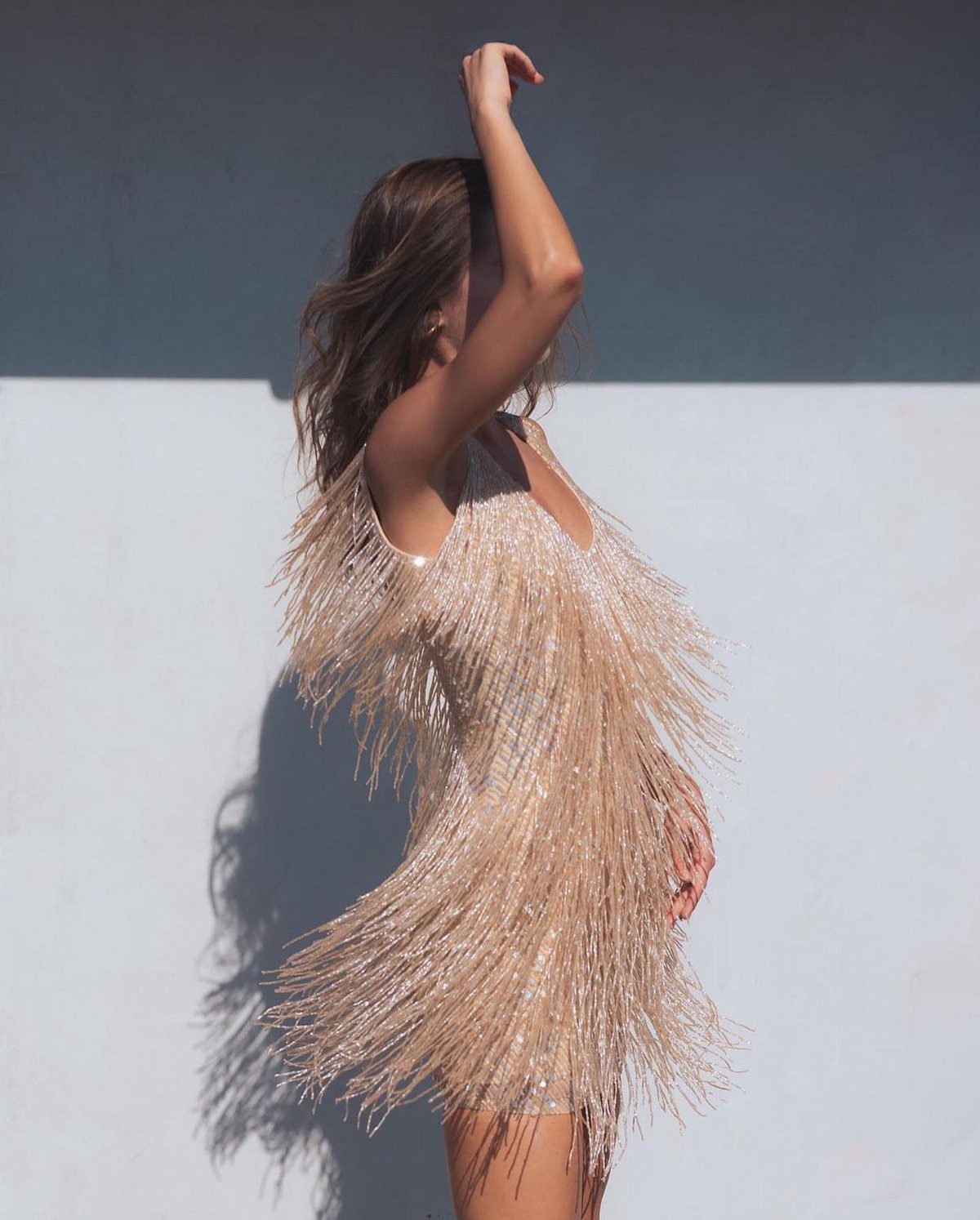
Champagne fringe turns a simple mini into something that moves when you do. The tiers catch light from every angle, which makes it ideal for dancing or outdoor parties where you will be walking between spaces.
Fringe adds visual weight, so keep the silhouette simple underneath. A dress like this needs no necklace; earrings and a small bag are enough.
6. Cocktail Party Jumpsuit
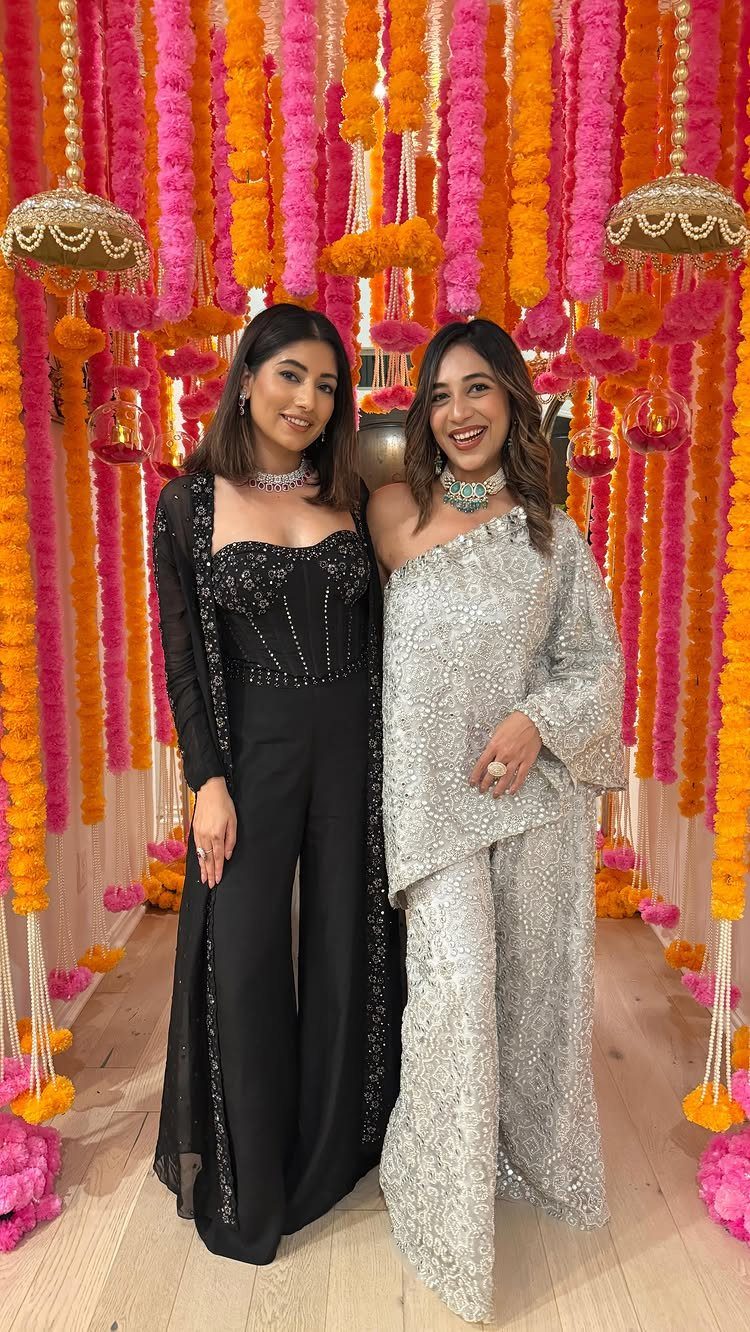
A tailored jumpsuit in black or silver sequins gives you the polish of a gown with the ease of pants. The jumpsuit’s sparkle does all the work, so I’d keep the rest of the outfit simple.
Jumpsuits run long, so check the inseam before you buy. A low heel usually brings the hem to the right length, but if you plan to wear flats, look for a cropped or petite cut.
7. Floral Print Midi Dress
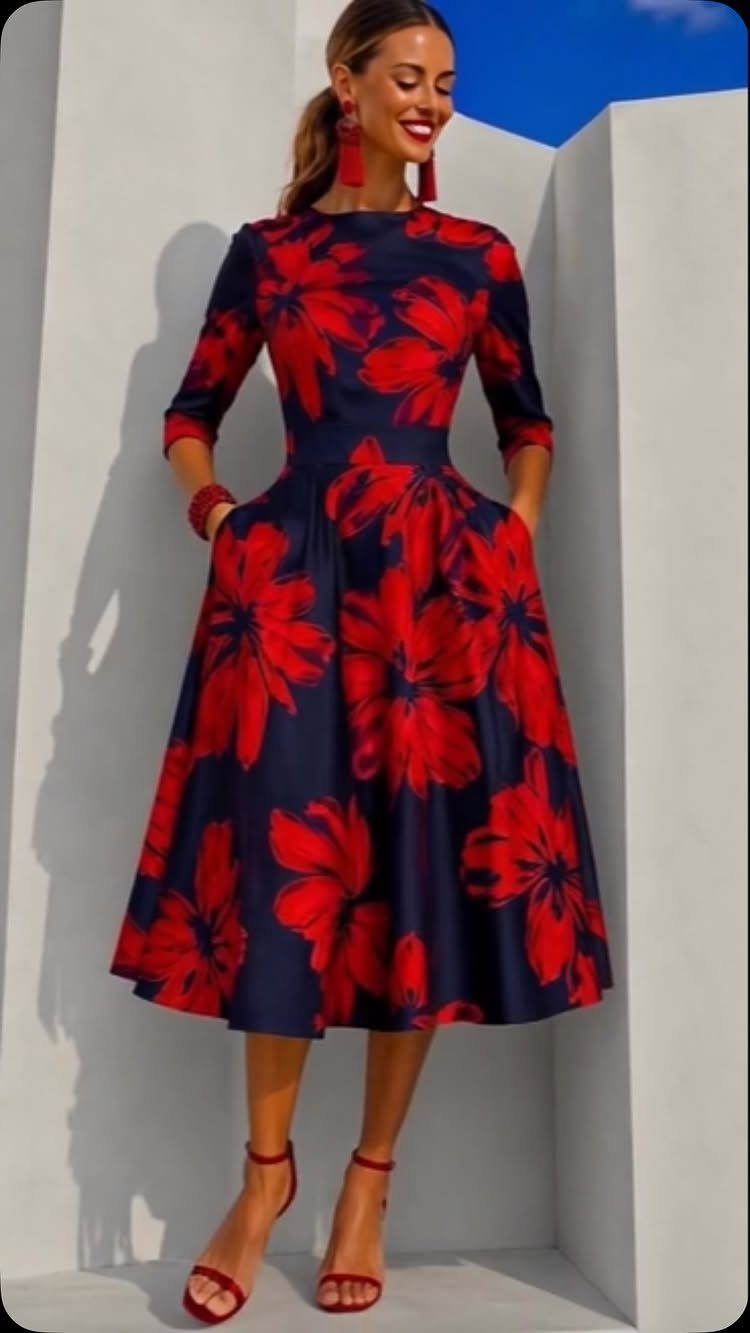
Bold red flowers on dark navy give you a print that reads festive without trying too hard, and matching the earrings and shoes to the red pulls the whole thing together fast.
Pick one accent color from the print and repeat it twice, no more. I would keep the bag neutral here; 3 red pieces starts to compete with the dress itself.
8. Blazer Over Mini Dress
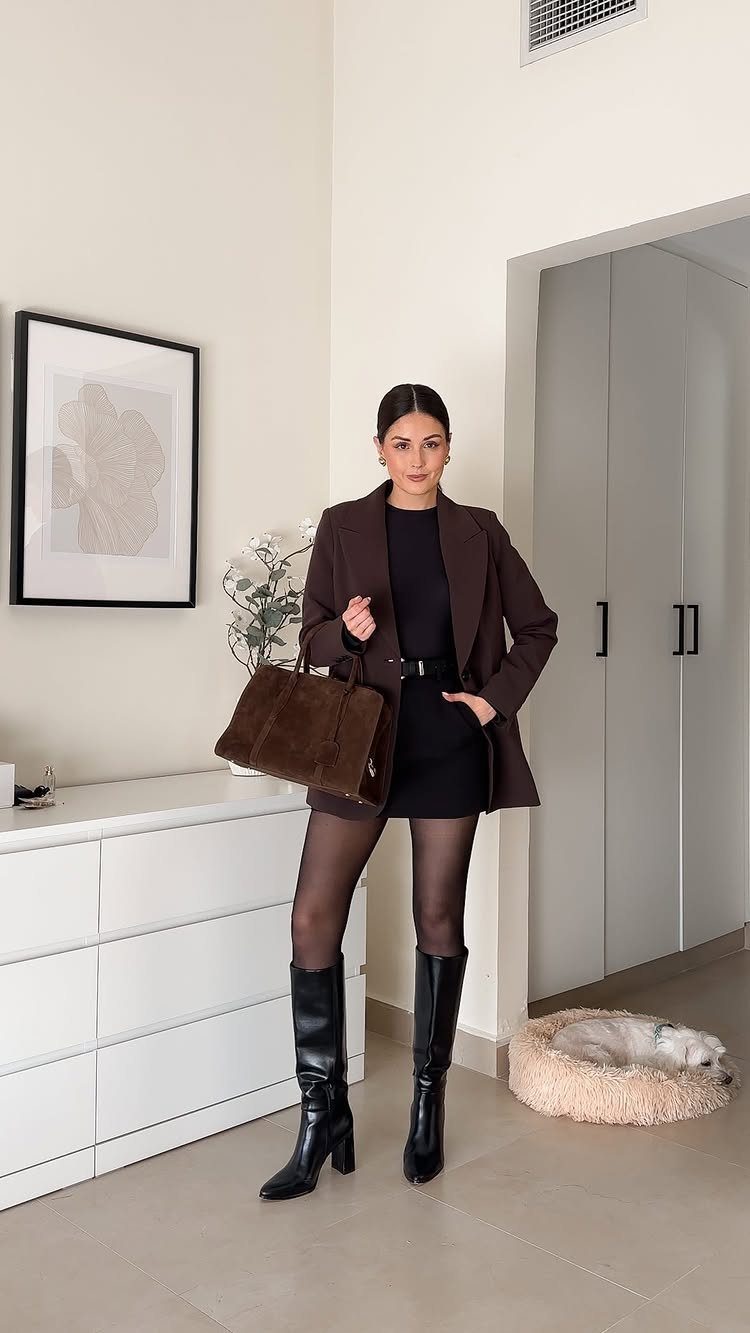
Throwing a structured blazer over a mini dress turns a summer piece into something you can wear to a fall or winter party, and sheer tights with ankle boots keep the short hem from feeling bare.
Proportion is the decision: the blazer should cover most of the dress, hitting at or just below the hem. A longer line reads deliberate, while a cropped jacket over a mini can look like 2 outfits fighting.
Choosing the Right Outfit
The invitation rarely tells you enough, so look at the venue and the hour instead.
Daytime events lean lighter in fabric and color; evening ones carry more structure and shine. Indoors versus outdoors matters just as much: an outdoor party means thinking about wind, grass, and temperature drop after sunset.
I would rather be slightly overdressed for a casual venue than underdressed for a formal one, but the real goal is matching the room. When your outfit fits the setting, you stop thinking about it.
Seasonal Considerations
Summer calls for linen, cotton, and light dresses in bright colors with airy fabrics that breathe. Autumn is layering season: knits, boots, and richer tones start to make sense.
Winter is when velvet, wool, and long sleeves earn their place, and your coat becomes part of the outfit rather than something you check at the door.
Spring sits in between, so florals and pastels work well with a light jacket for unpredictable weather.
The shift matters more than people expect. A fabric that feels right in January can feel suffocating by June, and no amount of good styling fixes a seasonal mismatch.
Comfort and Confidence
Comfort shows before anything else does.
I would pick a simpler piece you forget you are wearing over a striking one that needs constant attention.
Test before the party: sit down, raise your arms, walk across the room. If something pinches, rides up, or shifts, it will only get worse over a few hours.