
The range runs from a sequined mini dress with a feathered hem in Club Dresses to a dressier pick in Classy Clubbing Outfits, and from a small crossbody bag in Bags to block-heeled boots in Block Heels.
Which one is yours depends on the dress level each venue states, since a look that works at one club can get you turned away at a stricter one.
Look for that level on the venue’s website or social pages, and if you cannot find it, dress one level above what you expect.
1. Halter Styles

A halter top ties or fastens behind the neck, so the straps carry the whole dress while the shoulders and upper back stay bare. The open back is the part to test first.
Put the dress on, raise your arms, and reach for a glass. If the neck tie slides or the bodice gaps, the fit is wrong, not the style.
Check whether you can wear a strapless or adhesive bra under it, because a standard bra with straps will show through the open back. Wear it where the back is the feature you want seen.
2. Bags
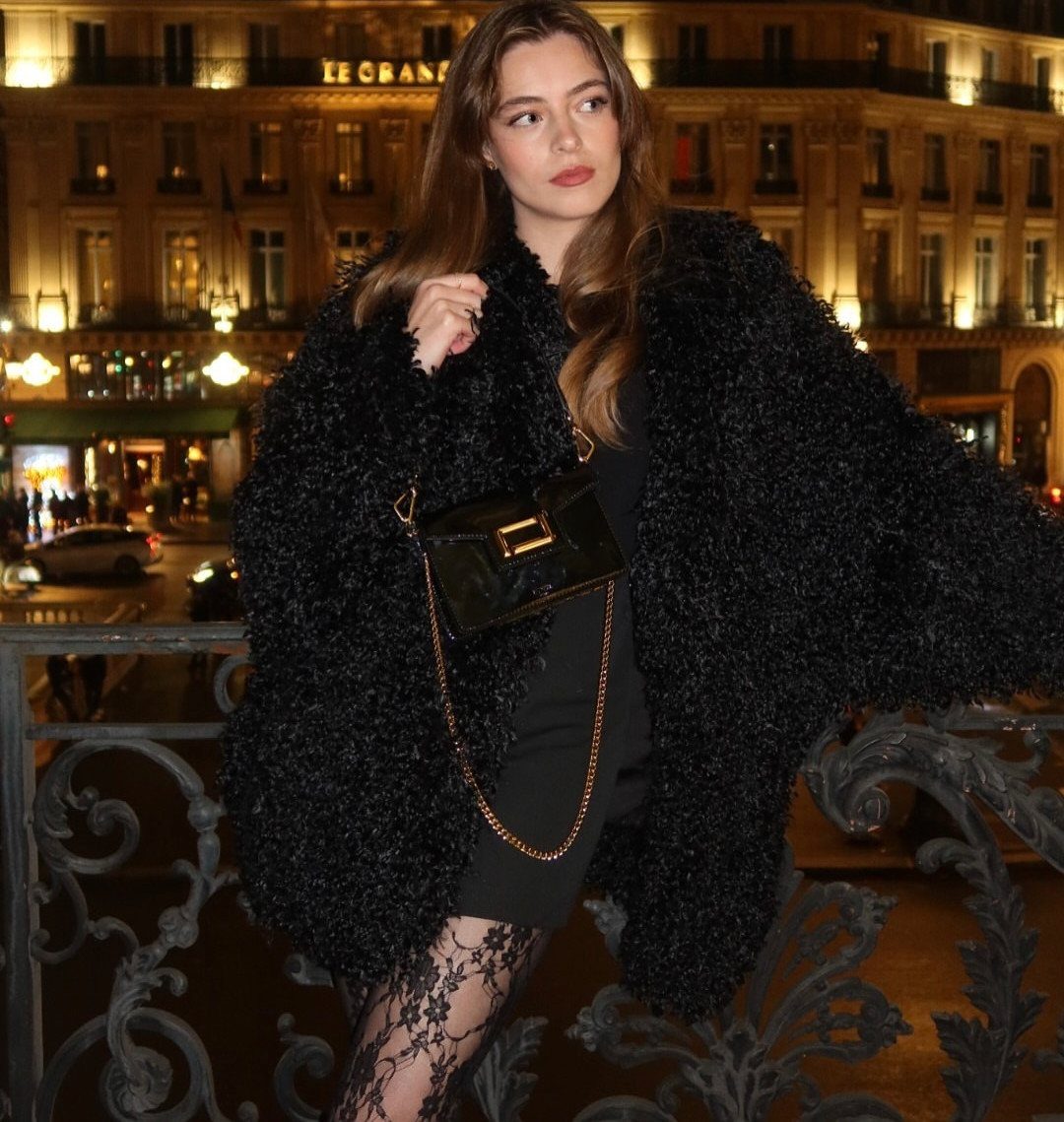
A small crossbody bag is a shoulder strap that sits across the body, with both hands free for dancing and a drink.
For a night out, a black bag with gold chain detailing does the most work, since it reads as dressy without competing with the rest of the outfit.
Before you buy, check that the strap length lets the bag sit at your hip and not bounce against your side.
Check that the closure actually stays shut, whether that is a zipper or a magnetic snap, and compare the inside dimensions with your phone, driver’s license and cards so nothing gets crammed in.
A bag that barely holds a phone will fight you all night.
3. Block Heels

Block-heeled boots have a wide, sturdy heel and a boot shaft that can run to the knee or stop at the ankle.
The tall black pair here is the version to look at for dancing, since the base stays steady on a dance floor.
Try them on and walk up and down stairs, then stand on one leg for a moment to see how the heel holds.
Look for a rubber or grippy sole if the venue has spilled drinks or wet patios. The main limit is comfort after hours, so break them in before the night.
4. Club Dresses
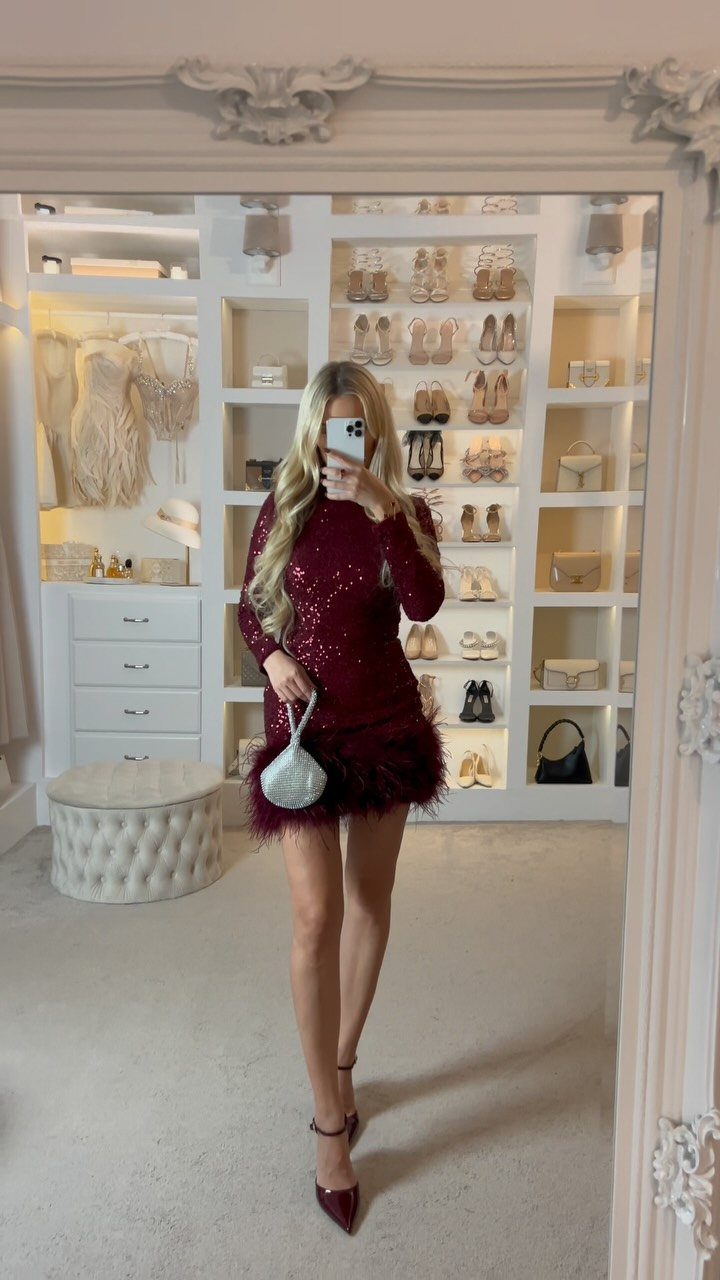
A sequined mini dress with long sleeves and a feathered hem is the club dress that works without much styling.
Run your hand along the hem before you wear it, because loose feathers catch on chairs and sleeves. Long sleeves and sequins add weight and heat, so think about the room you will be in.
Pointed heels suit this dress, as the sharp line of the shoe matches the feathers. If the sequins scratch your skin, pick a lining or wear a slip underneath.
5. Jumpsuits

A jumpsuit is one piece that works as a dress. A black sleeveless jumpsuit with a deep V and flared legs needs very little else, so a pair of simple earrings or one statement ring is usually enough.
Before buying, check the crotch and rise, since a jumpsuit that pulls there is hard to fix. Measure the leg length against the heel you plan to wear, so the flare clears the floor without dragging.
A deep V needs a bra with a plunge or a bit of fabric tape to stay put. Plan the bathroom trip too, since the whole piece has to come off.
6. Classy Clubbing Outfits

Check the shoulders first, since a blazer that sits wide or narrow changes the whole line. The trousers should reach the top of your heel without pooling, and the belt should sit at your natural waist.
Black on black is safe in a formal room, but add jewelry or a clutch to show you dressed for the night. Heels work best here, because a flat shoe can look casual next to tailoring.
Dress Code Considerations
Nightclubs do not share one dress code.
Every club writes its own rules, and the person at the door makes the final call, so an outfit that gets you in at one place may get you turned away at the next.
An upscale lounge is stricter. A sleek cocktail dress in satin, sequins or sparkle, with polished heels, suits the room, and jeans will not get you past the door.
Look for the stated level on the venue’s website or social pages before you leave.
If you cannot find it, dress one level above what you expect. Overdressing costs you little, but underdressing can cost you the night.
What Not to Wear
Athletic wear and tracksuits are the first things door staff notice, especially at upscale venues. Flip-flops and slides look like beach clothes at the door, even when the rest of the outfit is dressy.
Sneakers, hats and anything baggy or ripped also tend to get turned away. Ripped denim can pass at a casual bar, but the same pair will not get past a lounge.
A hoodie or basic tee works only as a going-out top at a casual bar. In a smarter room it reads as if you came straight from the gym.
Check hems, straps and seams under bright light before you leave. Anything stained or worn out looks careless once the lights go down.
Practical Tips for Clubbing
Once the room fills, a club heats up fast, so pick a light, breathable dress and pack a jacket for the line outside.
The line can be cold even in summer. A denim or leather layer that comes off easily is more useful than a heavy coat you will carry all night.
Ask the club about a coat check before you go, because carrying a jacket all night gets old fast. If it does, you can leave the jacket behind once you are inside.
Some clubs cap bag size, so check the posted rules or ask ahead. A wristlet is the smallest option and holds your phone, ID and cards, so it gets through when a larger bag would not.
Platforms are another comfortable option. The thick sole spreads your weight, so the shoe is easier to stand and dance in than a stiletto of the same height.