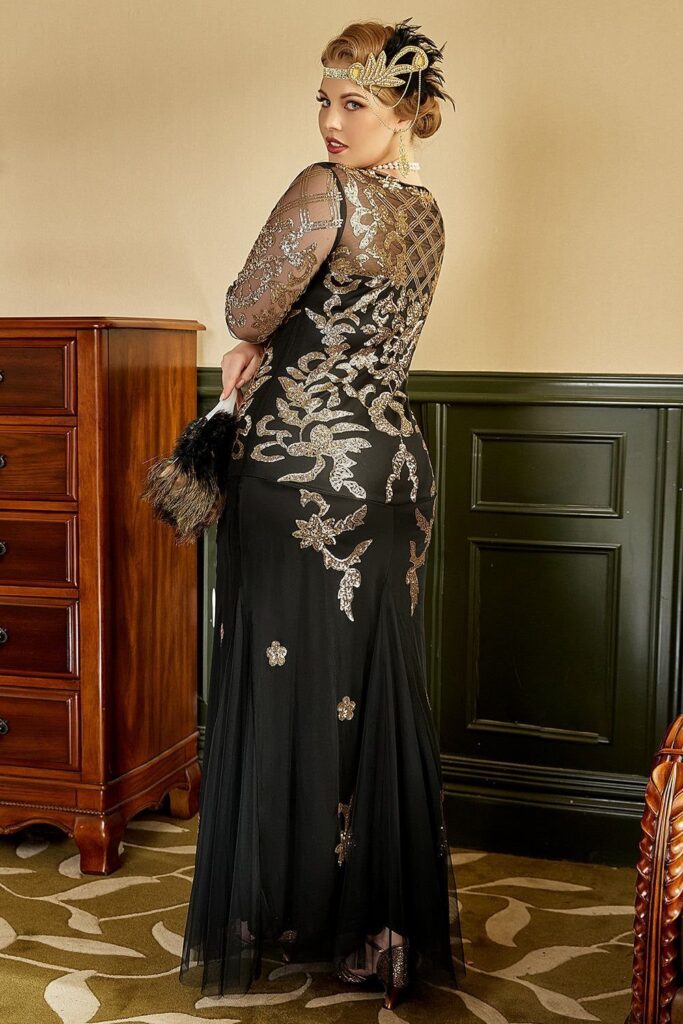
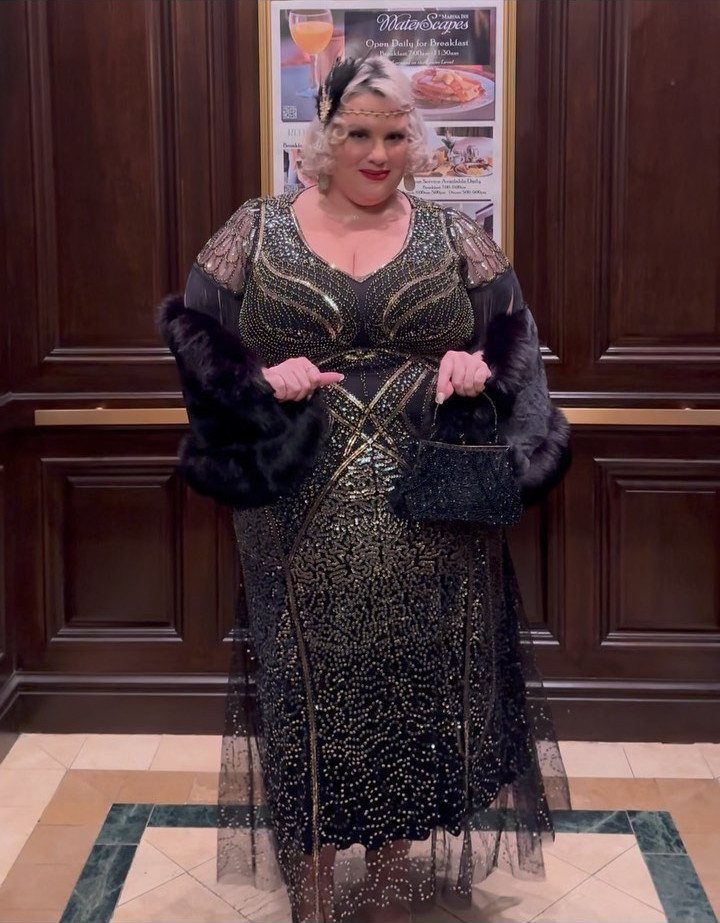
These ideas for roaring 20s fashion run from a beaded headband picked up for pocket change to the full investment of a fur-collared coat and tailored suit, and the deciding factor is where you will actually wear them.
A fringe flapper dress wins on a dance floor and loses at a seated dinner where it tangles in chair arms; a feathered headband photographs well but sheds plumes into your neighbor’s cocktail.
The glass pearl necklace, at two strands or one rope to the waist, is the detail that reads period even when the rest of the outfit came from your own closet.
1. Beaded Headbands
A beaded headband turns any solid dress into a 1920s outfit without the cost of a full costume.
I look for ones with weight to them, glass or acrylic beads rather than painted plastic, because the drape matters once it sits against your hair.
The band itself should be narrow enough to sit at or just above the forehead, not pushed back like a modern sports headband.
Check that the elastic or ribbon tie is long enough for your head size; many vintage repros run small.
A black and gold band against dark hair reads more formal than silver on blonde, but either works if the beads catch light.
2. Cloche Hats
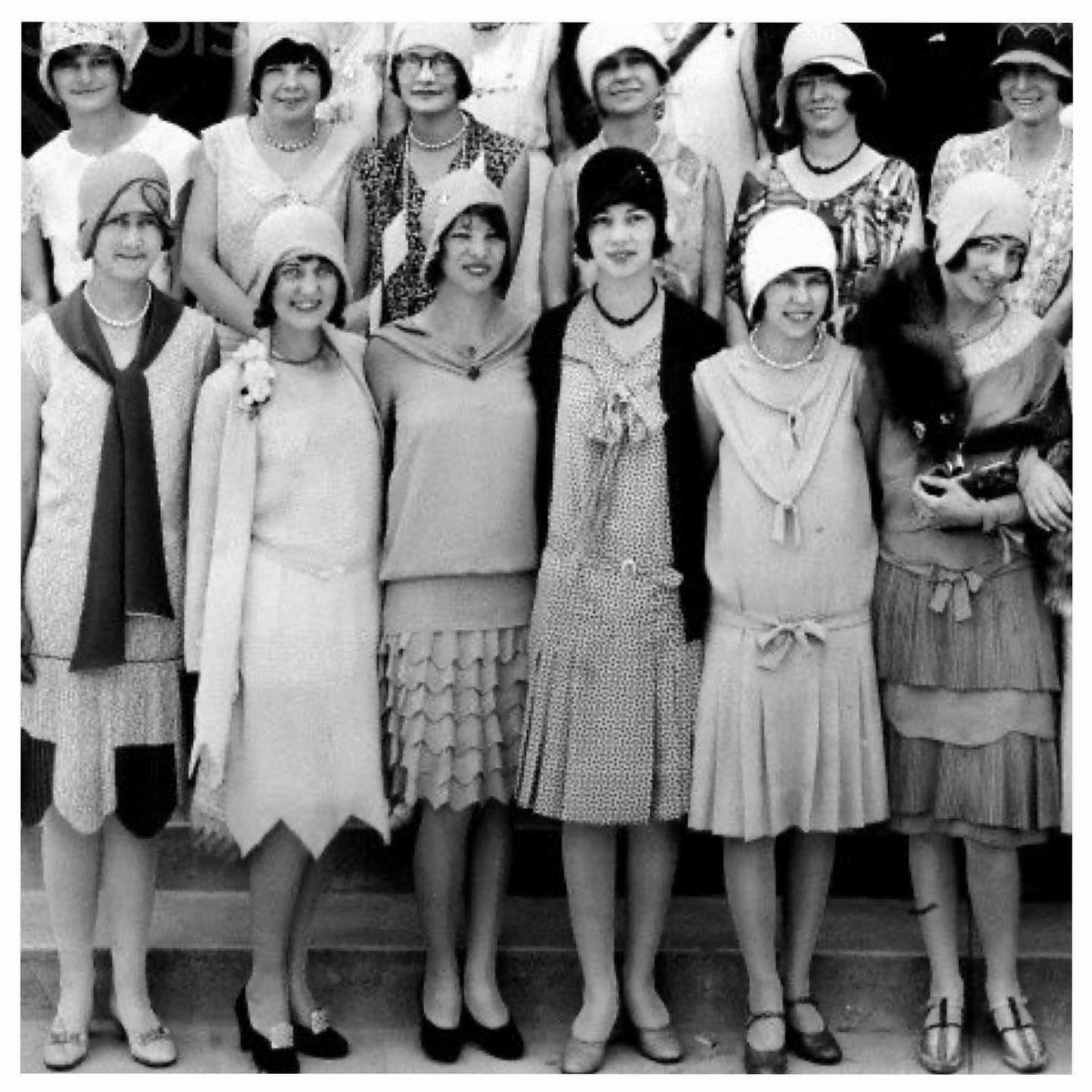
Cloche hats fit close to the head with a small brim, shaped almost like a helmet, and they dominated women’s headwear for most of the decade.
I would not bother with an actual vintage cloche for a single party; reproduction wool felt versions are easy to find and hold their shape better than the crushed ones that survive from the era.
The crown should sit low, covering most of your forehead, which means this style fights with bangs. If you have a longer face, the vertical line of a cloche can stretch it further; a rounder face balances it better.
3. Long Pearl Necklaces
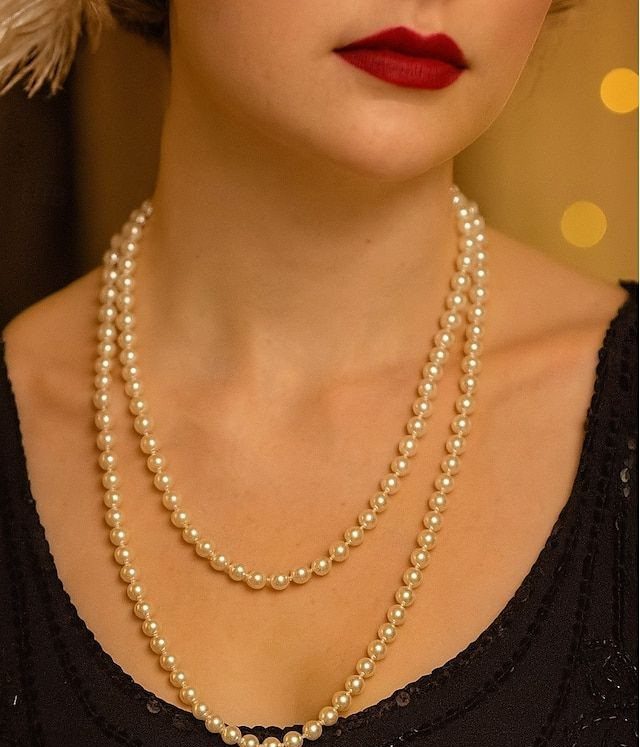
Long pearl necklaces, worn looped or knotted, were the signature jewelry of 1920s dress.
A single strand to the waist is the minimum; two strands or one very long rope that doubles gives the right drape. I use glass pearls, not plastic, because the weight lets them hang straight and knot without floating.
Cream reads more period than bright white against most skin tones. Check the clasp: a fishhook or box clasp in gold or silver tone finishes the look, and a cheap lobster claw will show when the strands shift.
4. Dark Smoky Eyes and Deep Matte Lips
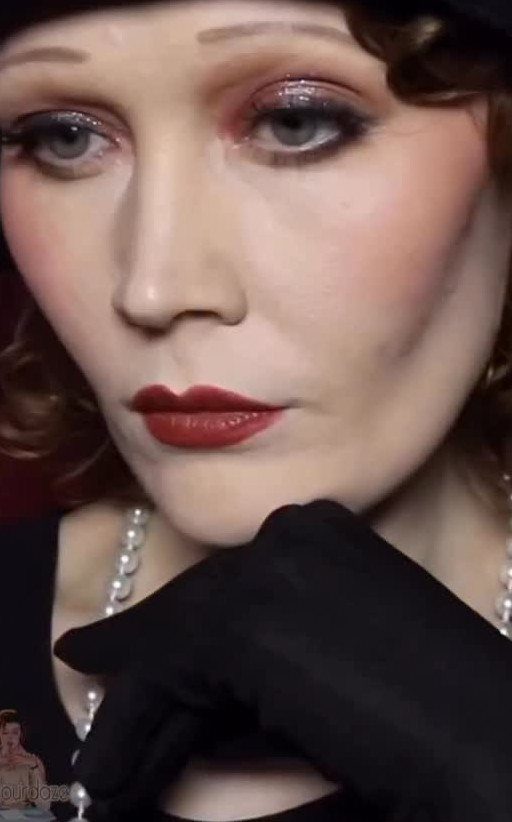
Makeup of the era emphasized the eyes and mouth against a pale base. The smoky eye was built with kohl or dark shadow blended upward, not out, keeping the socket defined; brows were thin, arched, and drawn darker than natural.
I would use a matte red or deep plum lipstick, not gloss, because the finish photographs flat and reads as period in dim party light.
This look rewards patience; build the eye slowly and the smudge stays where you put it. The drawn brow is the part I would skip for daytime; it reads costume in sunlight.
5. Flapper Dresses
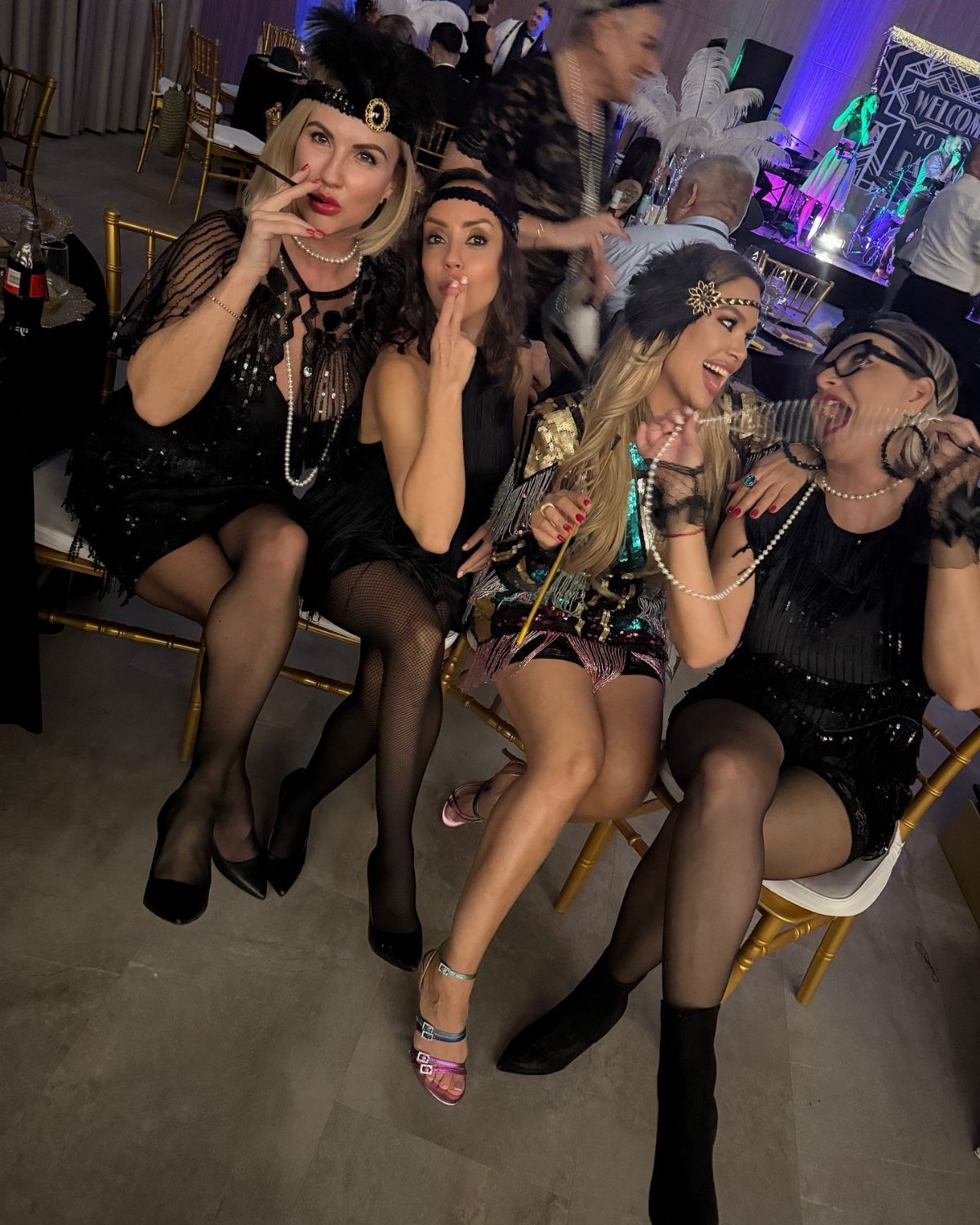
Flapper dresses are the silhouette most people picture: dropped waist, loose through the hips, and hem at or above the knee for evening.
Fringe moves when you dance, sequins catch light when you do not. I would choose fringe for a party with a dance floor, sequins for a seated dinner where the fringe would tangle in chair arms.
The drop waist flatters fewer body types than the sheath dresses women actually wore to offices and shops in the 1920s; if you carry weight at your middle, the loose tube can add volume rather than hide it.
6. Lace Gloves
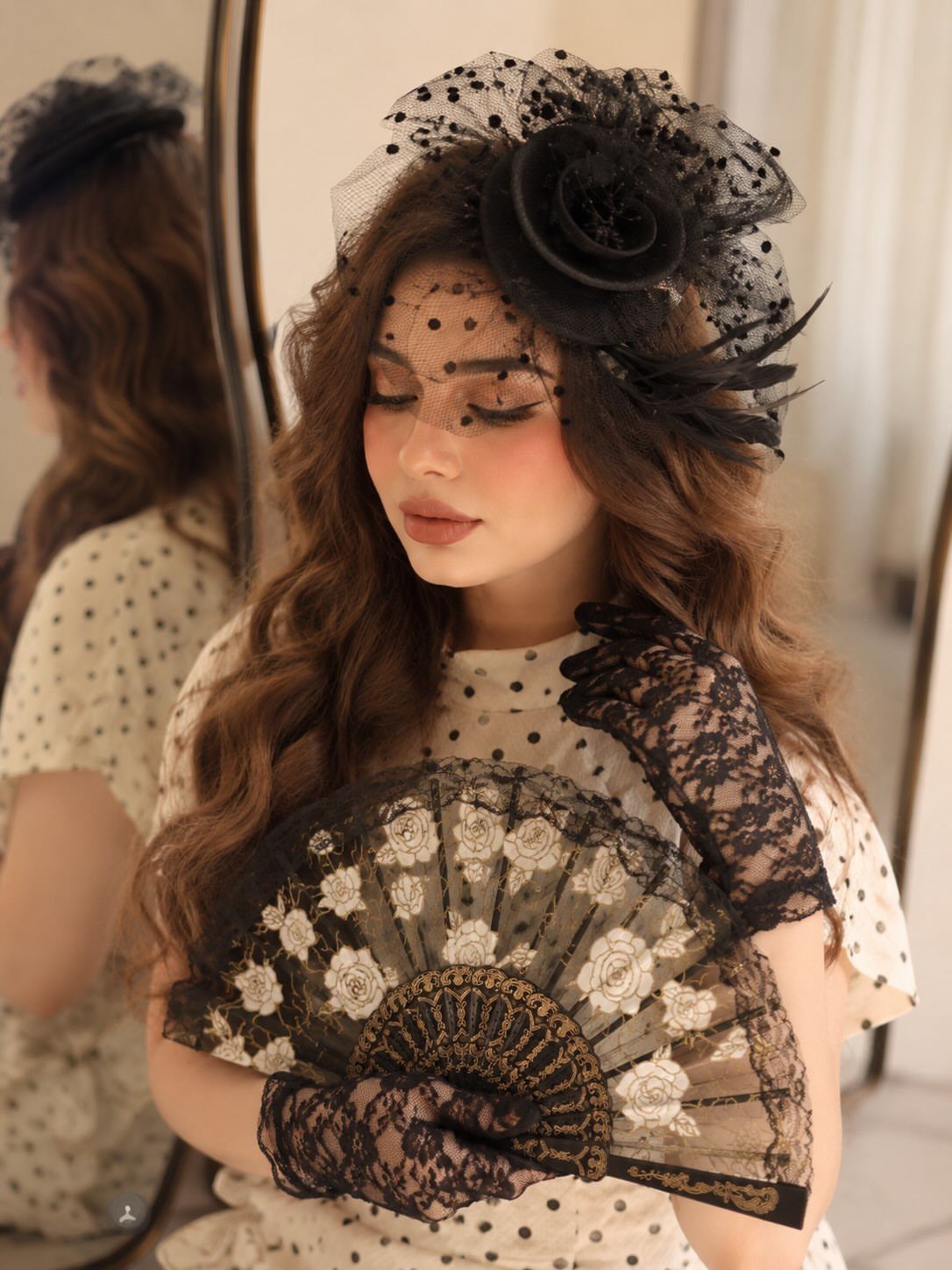
Lace gloves cover the hand to the wrist or mid-forearm, with patterns that show skin through the gaps.
Black lace reads evening and pairs with darker dresses; ivory or white suits daytime tea parties and lighter colors. I check that the finger openings do not gap, because loose lace at the knuckles looks sloppy and catches on jewelry.
These are decorative, not warm; for an outdoor autumn party, I would wear them over a thin leather glove or skip them. Lace gloves signal the era without demanding the full costume commitment.
7. Long Coats with Fur Collars
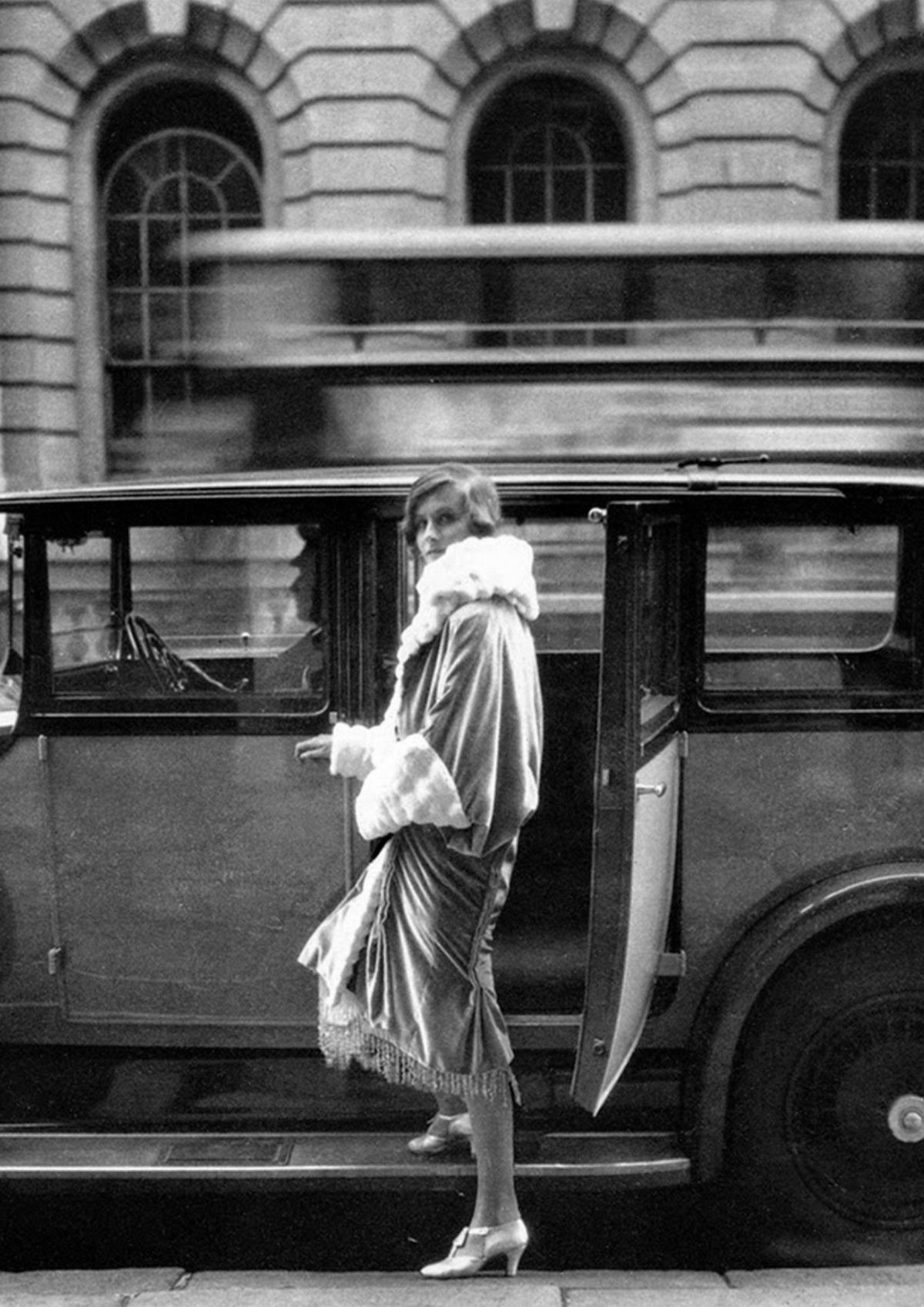
A full-length coat with a fur collar was the standard outer layer for women in the 1920s, worn over dresses for arrival and departure.
Light fur at the collar and cuffs against dark velvet or wool reads expensive even in black and white.
For a costume, I would use faux fur and check that the pile direction matches on both collar and cuffs; mismatched nap is the detail that cheapens a reproduction.
The coat should hit at or below the calf to keep the period line. This piece works best for outdoor events or as a dramatic entrance before you shed it indoors.
8. Bobs and Finger Waves
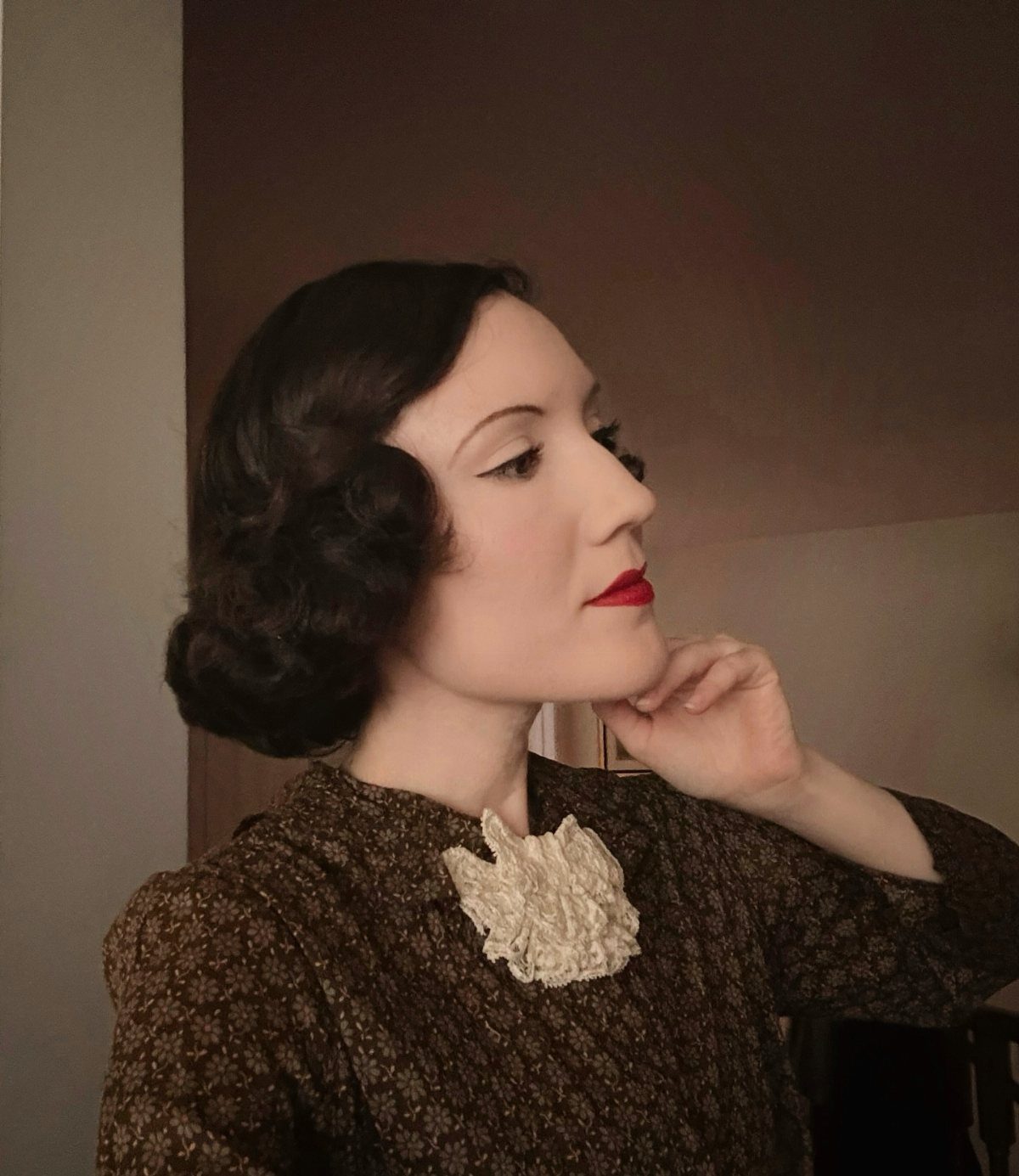
The 1920s bob was cut blunt at the jawline or shorter, with finger waves pressed into the hair using comb and setting lotion to create S-shaped ridges that sit flat against the head.
A modern stylist can set these with a flat iron and strong-hold product, though the wave pattern takes practice to read as period rather than crimped. Dark hair shows the sculpting more clearly than light.
I would book the appointment for the morning of the event; finger waves loosen and lose definition within hours, especially if you brush them. A close-fitting cloche can hide the collapse later in the evening.
9. Men’s Suits
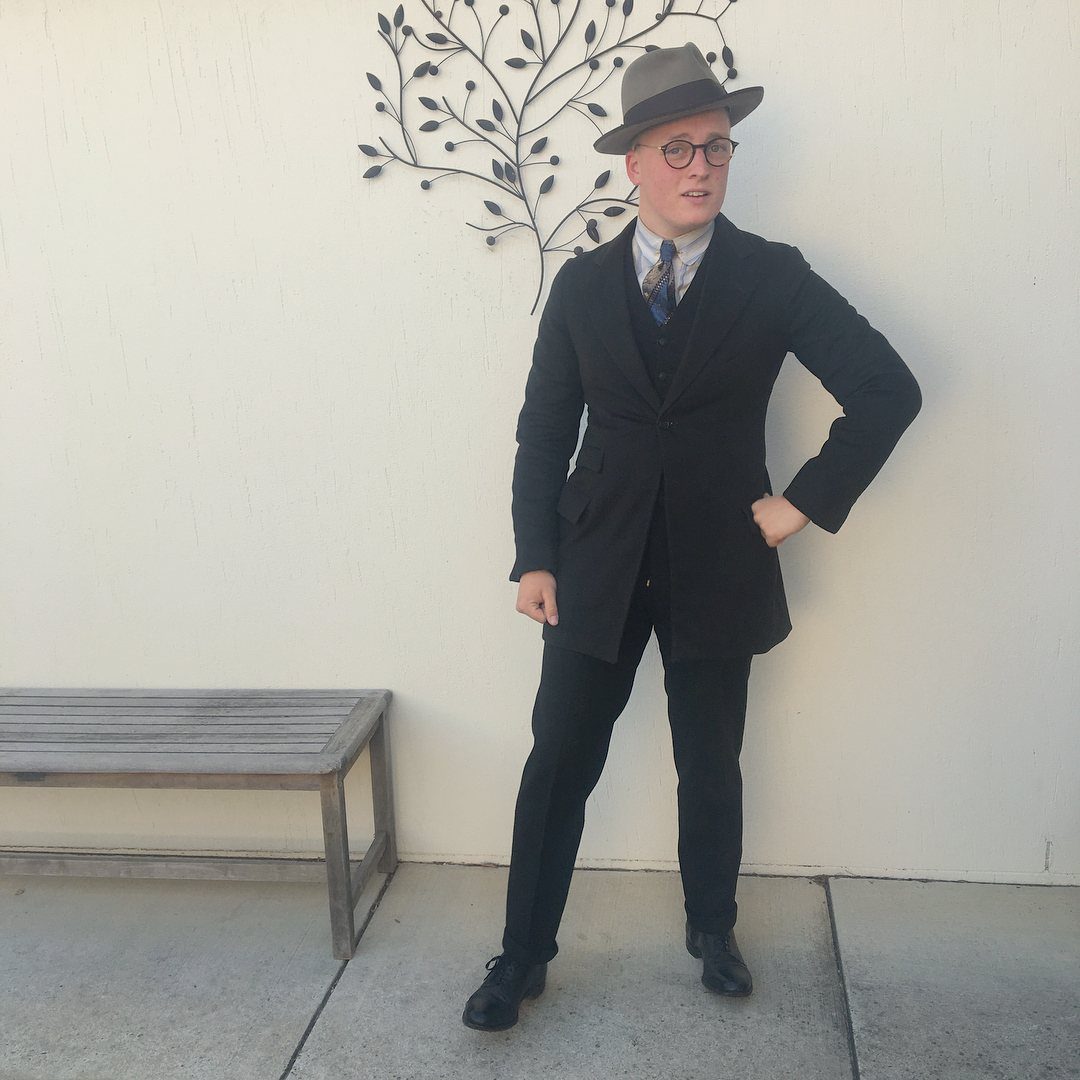
A three-piece suit with long jacket, matching vest, and patterned tie under a fedora formed the core of 1920s men’s formal and business dress.
The jacket length is the detail that marks it: it should cover the seat, unlike modern suits that end at the hip.
I would look for a vintage or reproduction with a higher waist on the trousers and suspenders rather than a belt, which shows under a fitted vest.
The fedora crown should be creased, not rounded like a modern trilby. Round glasses complete the look if they suit your face; otherwise, a standard wire frame reads period without calling attention to itself.
10. Satin Gloves
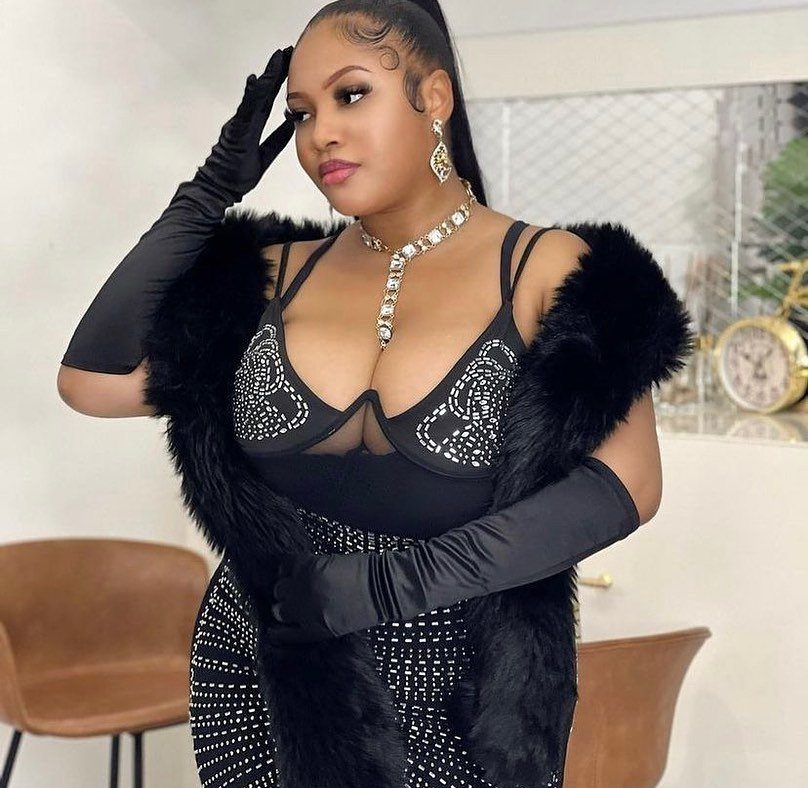
Satin gloves extend past the elbow, sometimes to the upper arm, and were worn to formal evening events where skin showing between glove top and sleeve was part of the design.
I would check the length against my own arms; too short and they look like costume-shop afterthoughts, too long and they bunch at the elbow. Satin has no stretch, so sizing matters more than with knit gloves.
These are purely decorative and stain easily; I would put them on last, after makeup and jewelry, and skip them entirely if the party involves passed appetizers with sauce.
11. Vintage-inspired Turban
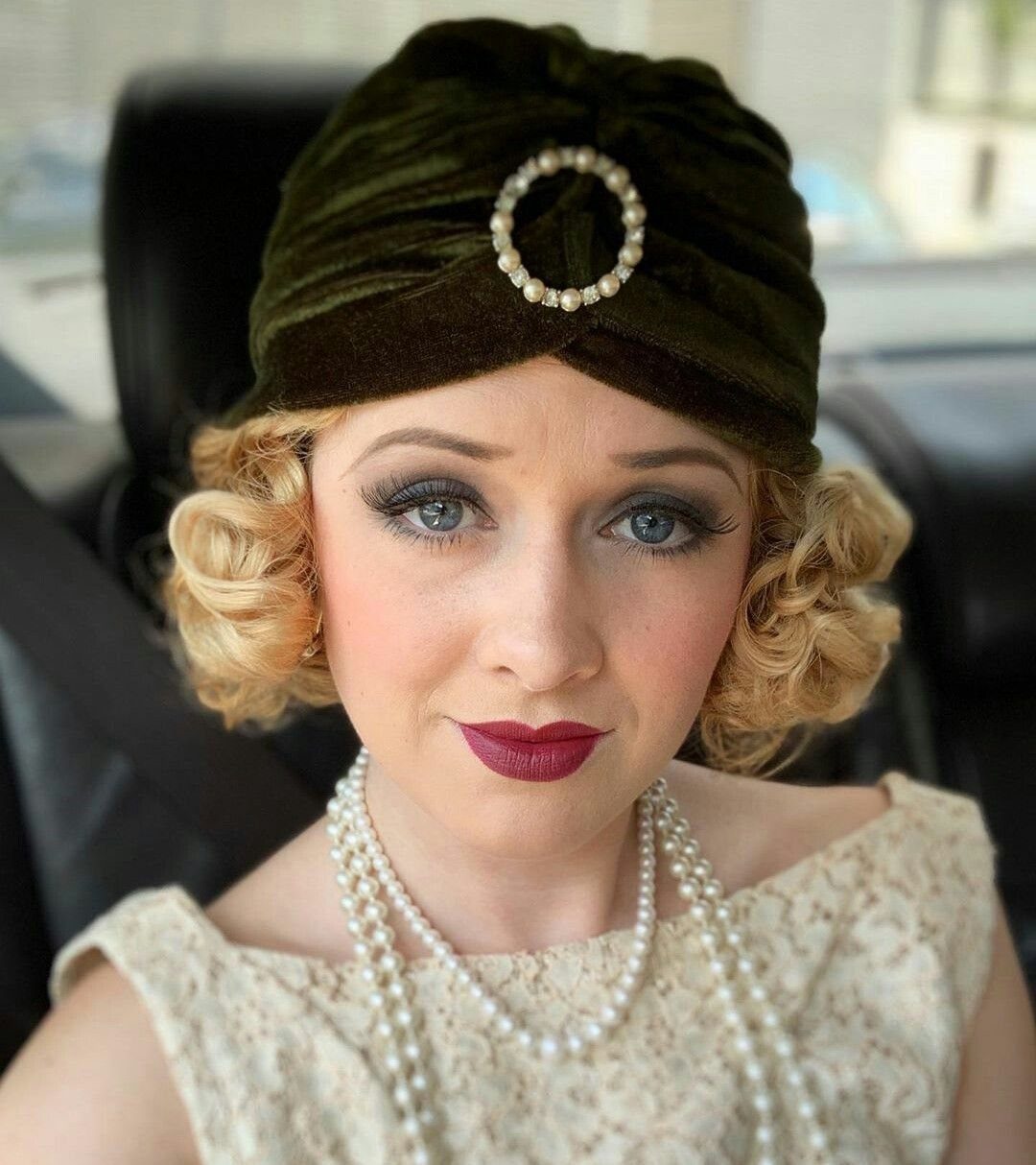
Turbans in the 1920s were structured headwraps, often in velvet or silk, secured with a brooch or pin at the side or center front.
Green velvet gathered and held with a pearl circle sits close to the head while allowing curled hair to show at the temples and nape.
I would choose a turban over a cloche if my hair is already set in Marcel waves or curls; the cloche would crush them, while the turban frames them.
Check that the fabric has enough body to hold its shape without collapsing into a kerchief look. A brooch with weight anchors the wrap and gives a point of focus.
12. Dresses with Lace Overlays
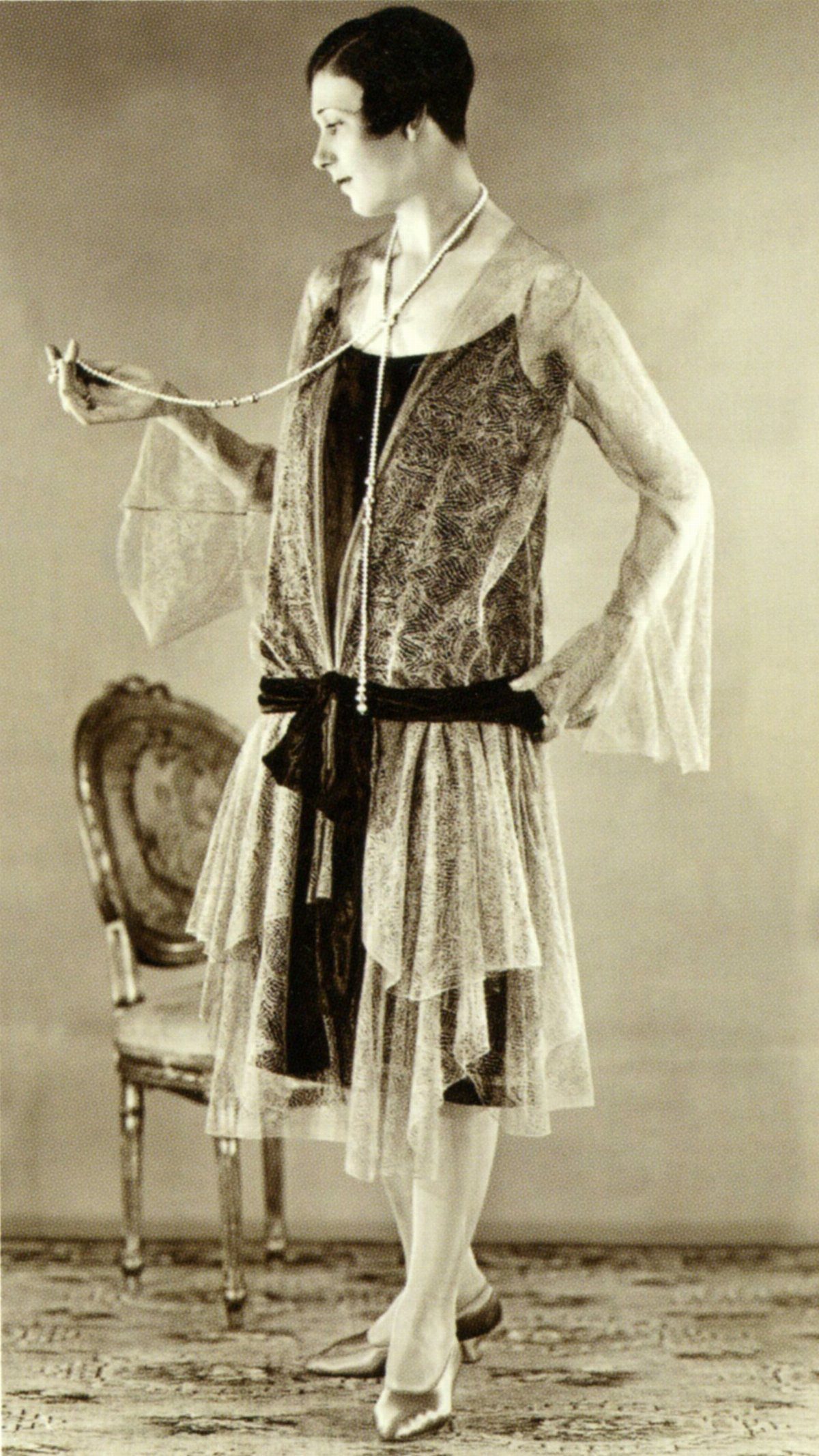
A lace overlay dress builds its effect from transparency: the solid underlayer provides coverage while the lace on top creates pattern and depth.
A full-dress overlay with long sleeves leaves the lace sheer against the skin. I would check that the underlayer is substantial enough; too short or too thin beneath, and the lace catches on undergarments or shows every line.
A drop waist is period, though a straight sheath with lace overlay works for a less costume-specific look. Cream or ivory lace reads more daytime and tea-appropriate; black or navy overlay shifts to evening without changing the construction.
13. Lace Shawls and Wraps
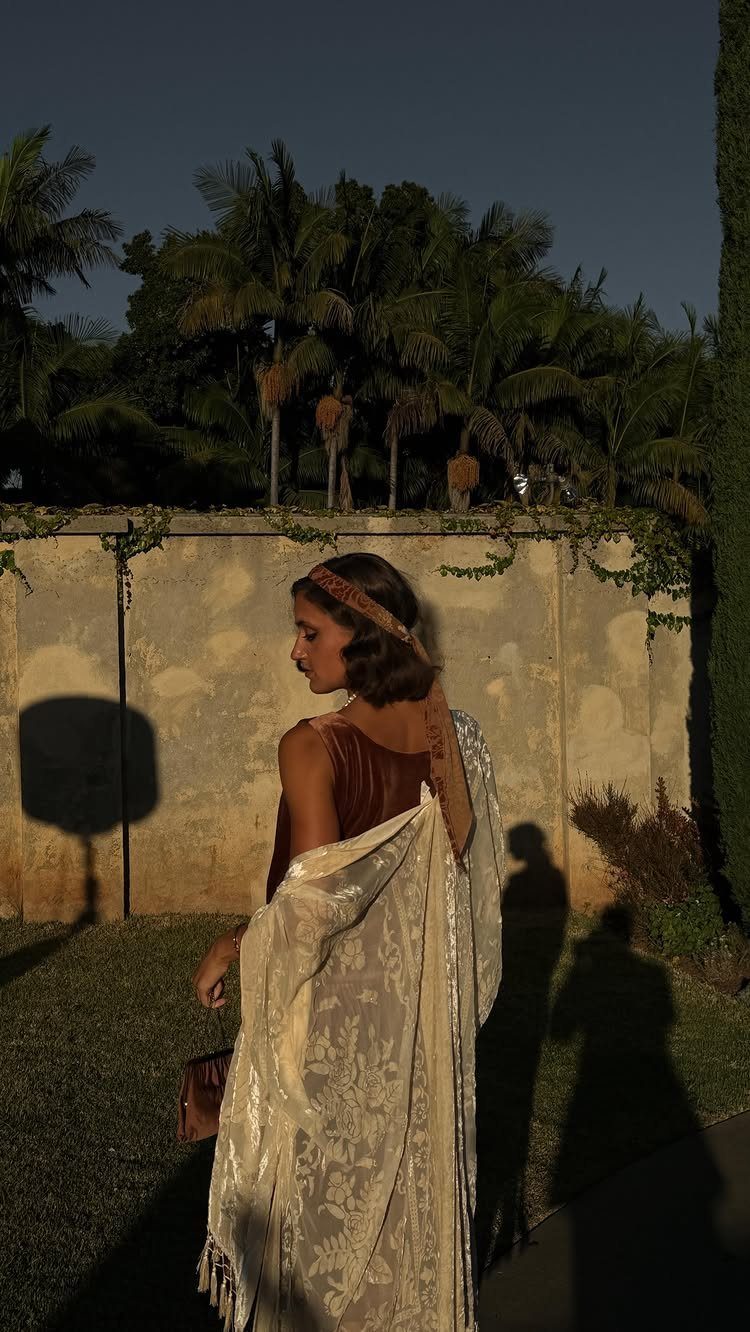
A lace shawl drapes soft and patterned across the shoulders, catching light without the weight of a full coat.
For outdoor events in mild weather, this is the layer I would choose over fur; it photographs well against stone or garden backdrops and does not fight with a headband for attention.
Check that the pattern scale suits your dress: a busy lace over heavy beading competes, while a simpler ground lets both show.
The drape should be long enough to pin or hold closed at the front; too short and it slips backward with movement.
14. Faux Fur Stole
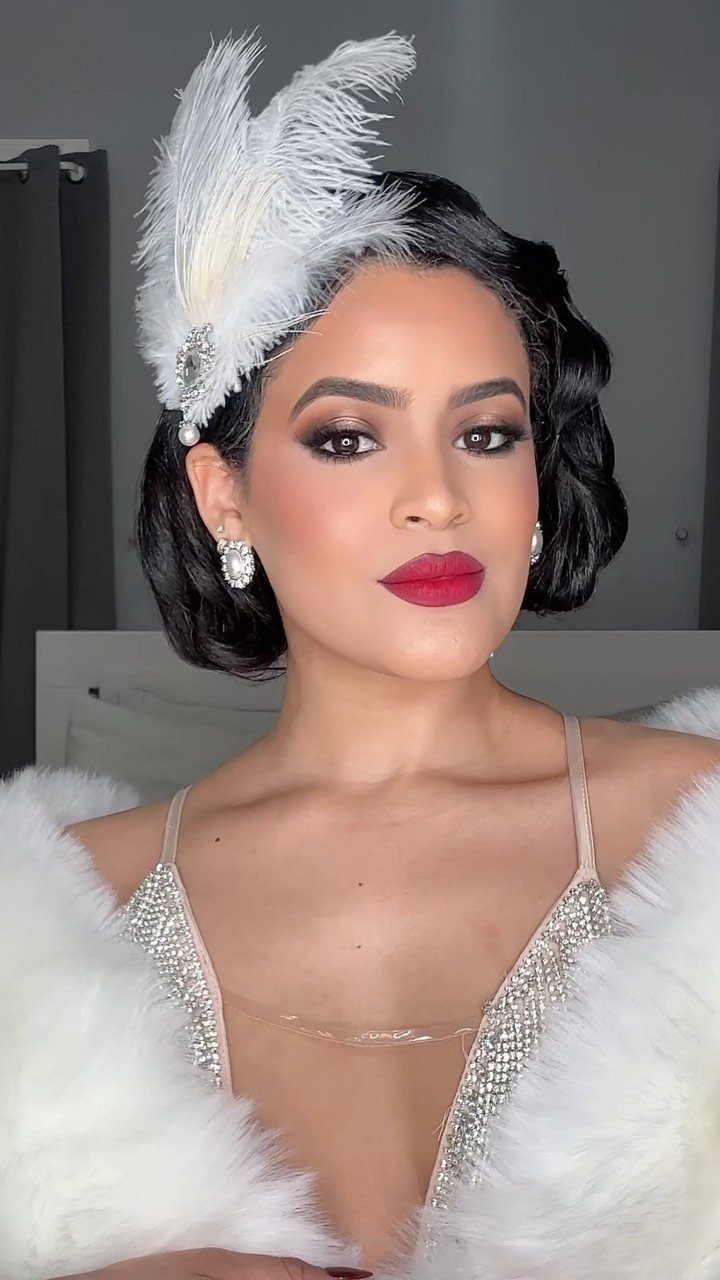
A faux fur stole wraps the shoulders in a thick band, usually white or cream, and reads instant evening against sequins or dark velvet.
The pile should be dense enough that the backing does not show through when the stole curves at the neck; sparse fur looks like a craft project.
I would secure it with a hidden brooch or dress pin rather than let it sit loose, since shifting fur reveals the dress straps beneath at the wrong moments.
This piece suits entrances and photo setups more than dancing; the bulk warms but also limits arm movement.
15. Feathered Headband
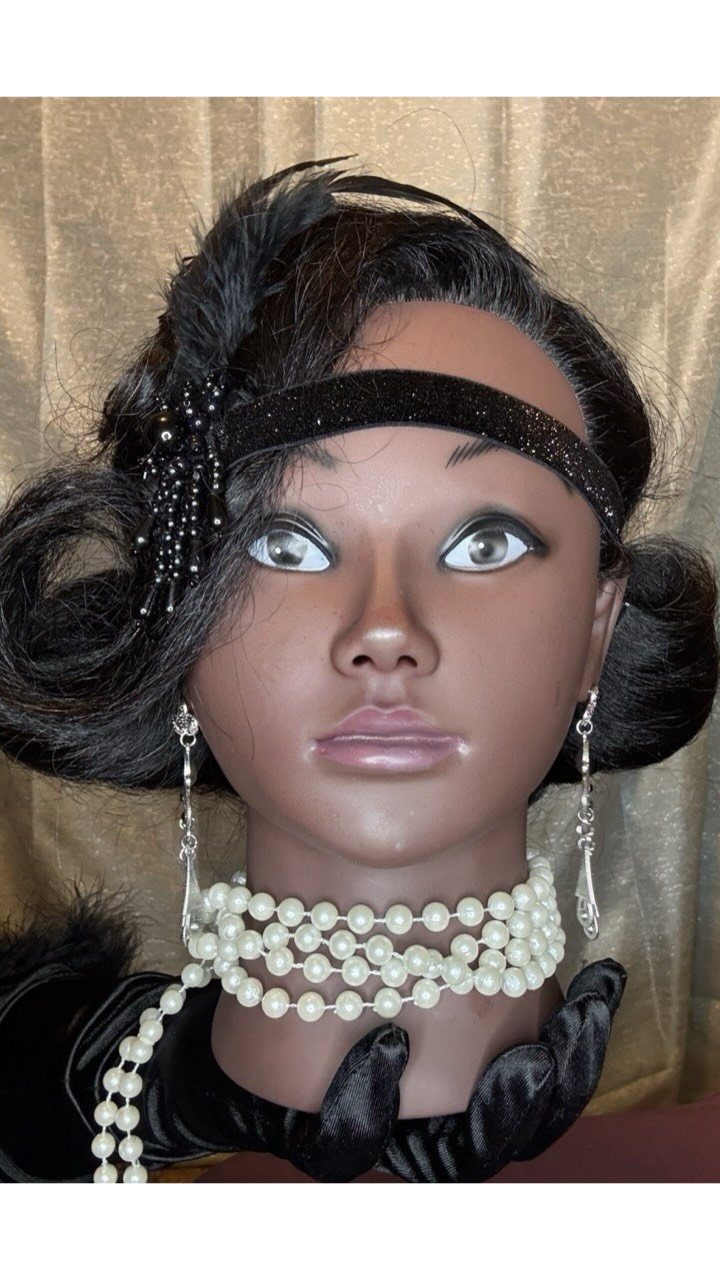
Feathered headbands rise higher and move more than beaded bands, with plumes that arch above the hairline rather than sitting flat against it.
Black feathers against dark hair need light catching the quills or a sequined base to read from across a room; otherwise the shape disappears.
Check that the band itself is firm, because feathers add weight that slips backward on smooth hair.
I would wear this to a party with standing conversation, not a seated dinner or dancing; the plumes tickle faces at close range, shed into drinks, and tangle in chandeliers.
16. Feather Boa Accessory
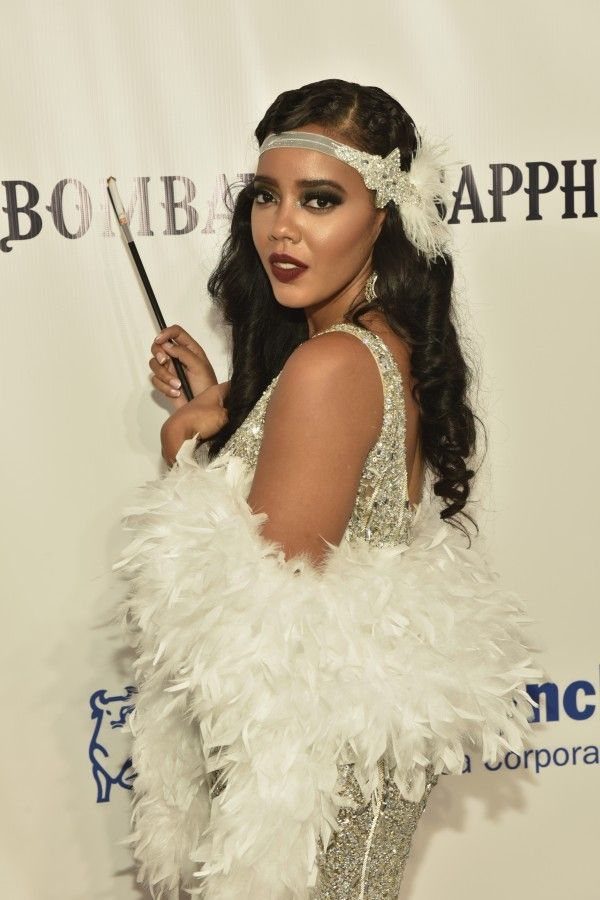
A feather boa loops the neck and hangs to the waist or hip, adding volume and movement to a straight sheath or sequined tube.
White or ivory reads Gatsby party; darker colors shift toward stage costume unless the rest of the outfit is restrained. Real marabou or turkey feathers shed less than synthetic, which also clings to sequins and leaves a trail.
I would drape it once around the neck and let the ends fall unevenly; symmetrical loops look deliberate in a way that kills the thrown-on effect.
Skip it if the party runs hot; a boa traps heat against the chest and shows sweat on the feathers.
How to Style 1920s Outfits
The 4 lanes of 1920s dressing each need different shoes.
A classic flapper look wants T-strap or ankle-strap pumps in black, gold, or silver; the strap keeps the shoe on while you move, which matters more than it sounds once fringe starts swinging.
A beaded gown in champagne silk or emerald velvet needs shoes that keep up: metallic Mary Janes or glitter heels catch electric light the way the dress catches it.
The alternative lane, beaded tops with wide-leg trousers, works with brown leather oxfords or white lace-up heels; the menswear edge of the outfit carries through to the foot.
For the tailored suit lane, black leather pumps keep the line clean and period-appropriate.
Layering is what turns a single dress into a complete look.
A faux fur stole works for the arrival photograph, then comes off before the dancing starts. Gloves go on last, after jewelry and makeup, because satin stains and lace snags on rings.
Makeup Tips for 1920s Looks
The 1920s face was built from 3 elements working together: finger waves or tight curls set close to the head, thin arched brows drawn darker than natural, and a dark smoky eye blended upward through the socket.
The mouth carried its own weight in deep matte lipstick, usually red or plum, with no gloss to catch light.
Men’s Fashion in the 1920s
The 1920s men’s suit had a specific silhouette that modern tailoring has abandoned. The standard suit ran wool in grey, navy, or brown, usually pinstriped or cut double-breasted, with a matching waistcoat beneath.
A patterned tie pulled the set together; a bow tie works for evening but reads less business. The whole thing was formal by default: even the daytime suit implied a standard of dress that the modern office rarely demands.
Frequently Asked Questions
What do you wear to a roaring 20s party?
Women should start with a flapper dress in black, gold, or silver with fringe or sequins, add a beaded headband, loop a long pearl necklace, and finish with T-strap or ankle-strap pumps.
Men need a three-piece suit with a long jacket that covers the seat, a patterned tie, suspenders instead of a belt, and a fedora with a creased crown.
I sort the options into 4 directions: the classic flapper silhouette, Gatsby glamour in champagne or emerald velvet, beaded tops paired with wide-leg trousers as a less expected choice, and menswear-inspired tailored suits for something sharper.
How to make an outfit look 1920s?
The fastest route is a drop-waist silhouette, a long pearl necklace, and a headband or cloche hat, since these 3 read as period even in modern fabrics.
Fringe, sequins, or a lace overlay push it further toward evening costume. For a subtler version, a straight sheath dress with a beaded belt at the hips and T-strap shoes gives the shape without full flapper theatrics.